Indoor air quality testing shows you what is actually in the air inside your Plainville home, instead of guessing based on dust on the shelves or a musty smell in the basement. The U.S. Environmental Protection Agency notes that indoor levels of some pollutants can be two to five times higher than outdoor levels. TMS Comfort measures the conditions in your home, explains the results in plain language, and recommends only the solutions that fit what we find.
What an Indoor Air Quality Test Measures
Every home is different, so our assessment looks at the factors that most often affect comfort and breathing in Connecticut homes:
- Airborne particles, including dust, pollen, pet dander, and smoke
- Humidity levels, which affect comfort and create conditions where mold and dust mites thrive
- Volatile organic compounds (VOCs) released by paint, cleaning products, new furniture, and building materials
- Carbon dioxide, a useful indicator of whether your home is getting enough fresh air
- Carbon monoxide around fuel-burning equipment such as gas or oil furnaces, boilers, and water heaters
- Temperature and airflow from room to room
Together, these readings show whether your air problem is about particles, moisture, ventilation, or a combination.
Signs It Is Time to Test the Air in Your Home
You do not need a serious problem to benefit from a test. Many homeowners schedule IAQ testing when they notice:
- Allergy or asthma symptoms that feel worse indoors than outside
- A musty or stale smell, especially in the basement
- Dust that returns within a day or two of cleaning
- Condensation on windows during cold months
- Headaches or stuffiness during winter, when windows stay closed
- A recent renovation, new flooring, or fresh paint
- A new baby, an older family member, or a new pet in the home
Why Connecticut Homes Face Unique Air Quality Challenges
Connecticut sits in climate zone 5, with cold winters and humid summers. From October through April, most homes stay sealed up, so whatever is released indoors stays indoors. In summer, outdoor humidity pushes moisture into basements and living spaces.
Housing stock adds another layer. Many older homes in Plainville and New Britain have full basements, oil or gas heating, and ductwork that has been modified over the decades. Newer, tightly built homes in Farmington and Southington hold heat well but can trap VOCs and moisture without enough ventilation. Testing tells us which of these issues apply to your home.
How TMS Comfort Performs Your IAQ Assessment
Our process is straightforward, and you will never pay for equipment you do not need:
- Conversation. We start by asking what you have noticed, who lives in the home, and which rooms concern you most.
- Walkthrough. Your technician checks your heating and cooling system, filters, ductwork, and basement.
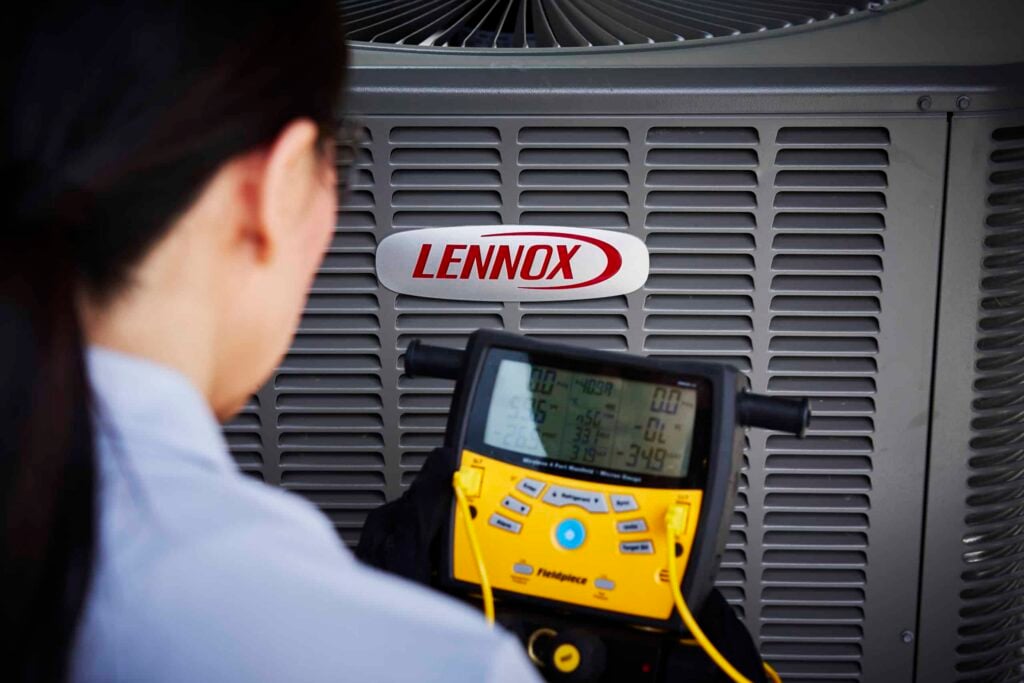
- On-site readings. We measure particles, humidity, VOCs, carbon dioxide, and other conditions in key areas of the home.
- Results review. You get a clear explanation of what the numbers mean, without technical jargon.
- Recommendations with upfront pricing. If a solution makes sense, you see the price before any work begins.
When to Retest the Air in Your Home
One test gives you a snapshot, and a second test confirms that a solution is working. We recommend retesting a few weeks after installing new air quality equipment, so you can compare the numbers side by side. It also makes sense to test again after a major renovation, after water damage in a basement, or when someone in the home develops new allergy or breathing symptoms. Because Connecticut homes behave differently in a closed-up January than in a humid August, some homeowners choose to test once in each season.
Turning Test Results Into Real Solutions
Testing is only useful if it leads to the right fix. Depending on your results, your technician may recommend one or more of these options.
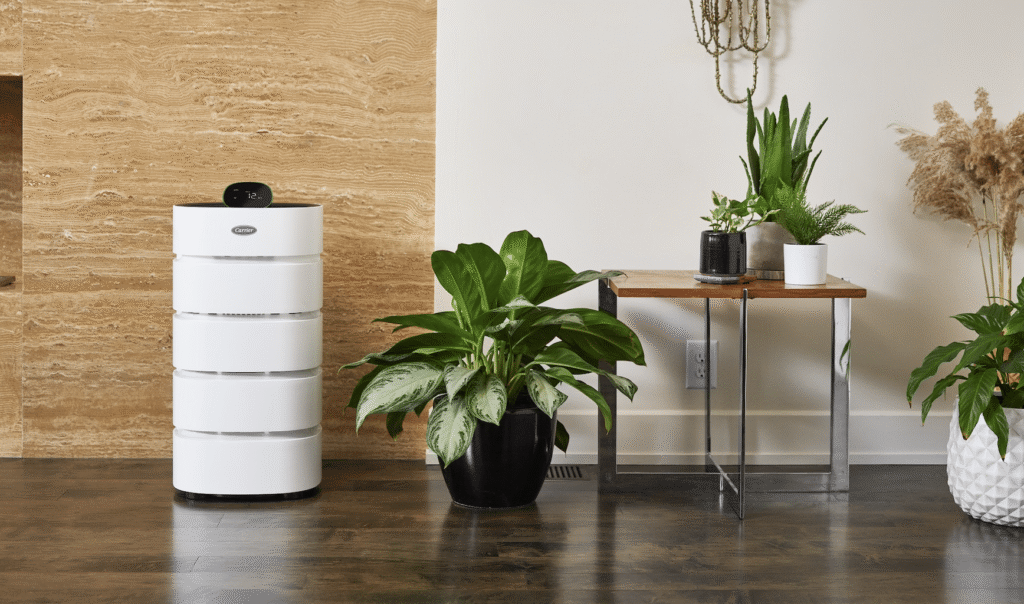
High dust, pollen, or pet dander levels usually point to better filtration, such as whole house air cleaners or air filtration system installation. Lingering odors and germs can be addressed with air scrubbers, whole house air purifiers, or Lennox UV air purification systems.
Moisture readings guide humidity control. High summer humidity calls for whole house dehumidifiers, while dry winter air is often solved with a Lennox whole house humidifier. If airflow and dust point to leaky ductwork, AeroSeal duct sealing can close the gaps from the inside. You can explore every option on our indoor air quality services page.
Indoor Air Quality Testing in Plainville and Surrounding Towns
TMS Comfort is based at 74 Northwest Drive in Plainville and provides IAQ testing to homeowners across Hartford County, including Bristol, Southington, New Britain, Farmington, Berlin, Newington, and West Hartford. See every town we cover on our Connecticut service areas page.
Our licensed technicians give you honest answers, upfront pricing, and work backed by our 100% customer satisfaction guarantee. Call 860-342-8867 or request service online to schedule your indoor air quality test.