Plumbing

Furnace vs Boiler: Which Heating System Delivers the Best Comfort?

Furnace vs Boiler: Which Heating System Delivers the Best Comfort?

TMS Boilers vs Furnaces

Keeping your home warm and comfortable during the cold months is a top priority for any homeowner. When it comes to heating systems, the two main contenders are furnaces and boilers. But which one should you choose?

Understanding the Basics: Furnace vs Boiler

How do Furnaces Work?

Furnaces are among the most common heating systems in Connecticut. They work by heating air and distributing it throughout your home via ductwork. Furnaces run on various fuel sources, including natural gas, propane, electricity, and oil.

How do Boilers Work?

A boiler uses hot water or steam to heat your home. It circulates the heated water to radiators, baseboard heaters, or radiant floor systems.

Efficiency and Cost: How Do They Compare?

Efficiency and operating costs are major considerations for homeowners. Here’s how boilers and furnaces stack up:

Furnace Efficiency

  • Newer furnaces achieve high-efficiency ratings with advanced blower motors and improved air filtration systems.
  • Duct systems can lead to heat loss, reducing overall efficiency
  • They can use multiple energy sources allowing you to choose the most cost efficient sources.

Boiler Efficiency

  • Modern boilers, particularly condensing models that recycles heat from exhaust gases, are incredibly energy-efficient.
  • They offer consistent, steady, evenly distributed heat, reducing energy loss.

Furnace Cost Considerations:

  • Furnaces typically have lower upfront costs compared to boilers.
  • May result in slightly higher energy bills over time due to heat loss in ducts.

Boiler Cost Considerations:

  • Higher upfront installation cost due to the complexity of water-based systems.
  • Long-term savings on utility bills with proper maintenance.
  • Repairs can be more costly and complex.

TMS compares furnace vs boiler for efficiency and comfort

Maintenance and Lifespan: What to Expect

Boiler Maintenance and Lifespan

  • Boilers require annual service to ensure the system runs smoothly and safely.
  • Lifespan of an average boiler system typically ranges from 15 to 30 years, depending on the model and maintenance schedule.

Furnace Maintenance and Lifespan

  • Regular filter changes and annual professional inspections are critical for a furnace.
  • Furnace Lifespan usually ranges from 15 to 20 years.

Comfort Levels: A Key Factor in Decision-Making

Comfort is subjective, but furnaces and boilers each deliver a distinct heating experience.

Boilers for Consistent Heat

  • Radiant heating creates an even warmth without the blasts of hot air.
  • No moving air means reduced dust and allergens, ideal for allergy sufferers.
  • It takes longer for a boiler to warm a home compared to a furnace.

Furnaces for Quick Warmth

  • Furnaces heat up quickly, making them great for colder climates where rapid heating is necessary.
  • The forced-air system can double as a cooling system when paired with an air conditioner.
  • Furnaces can reduce indoor humidity, leading to dry skin and other discomforts.

The Verdict: Boiler vs Furnace

Both boilers and furnaces are excellent heating solutions, but the right choice depends on your specific needs, preferences, and home setup. Boilers offer consistent, quiet heating and better energy efficiency, while furnaces provide faster, more versatile heating options.

Existing Infrastructure

Homes with ductwork already in place are better suited for furnaces. Conversely, older homes with radiator systems or radiant heating may benefit from boilers.

Budget

If initial cost is a concern, furnaces generally have a more affordable upfront price. However, the energy savings from modern boilers can offset their higher installation costs over time.

Maintenance and Repairs

Furnaces and boilers both require regular maintenance to perform at their best. 

Key Differences

Feature Furnace Boiler
Heat Distribution Forced air via air ducts Radiant heat through water pipes
Common Fuel Sources Gas, Propane, Electricity, Oil, Gas Gas, Oil, Electricity
Energy Efficiency Moderate to High High with modern models
Air Quality Moderate to High- May circulate allergens High- no ducts
Cost Lower upfront costs Higher initial investment

Conclusion

Choosing between a boiler and a furnace for your home heating needs is a significant decision that impacts comfort, efficiency, and costs. At Total Mechanical Systems, we specialize in helping homeowners like you find and maintain the ideal heating system. Our expert team is here to guide you every step of the way.

Need help deciding? Contact TMS today for a consultation! 860-342-8867

Home Heating Quick FAQ

Boilers:

  • Boilers typically use natural gas, oil, or electricity.
  • Delivers heat through water or steam.
  • Uses pipes to distribute heat rather than ducts.

Furnaces:

  • Commonly powered by natural gas, oil, propane, or electricity.
  • Produces warm air for distribution.
  • Relies on a ducted system to move heated air.

Choosing the Right System for Your Home

When selecting between a boiler and a furnace, consider these factors:

  • Climate: Boilers are ideal for steady heating in colder climates, while furnaces are great for rapid heating in areas with fluctuating temperatures.
  • Home Size and Layout: Boilers suit homes with existing radiant systems, whereas furnaces work best in homes with ductwork.
  • Allergies: Opt for a boiler if you’re sensitive to allergens since there’s no air circulation.
  • Budget: Evaluate both initial installation costs and long-term operating expenses.
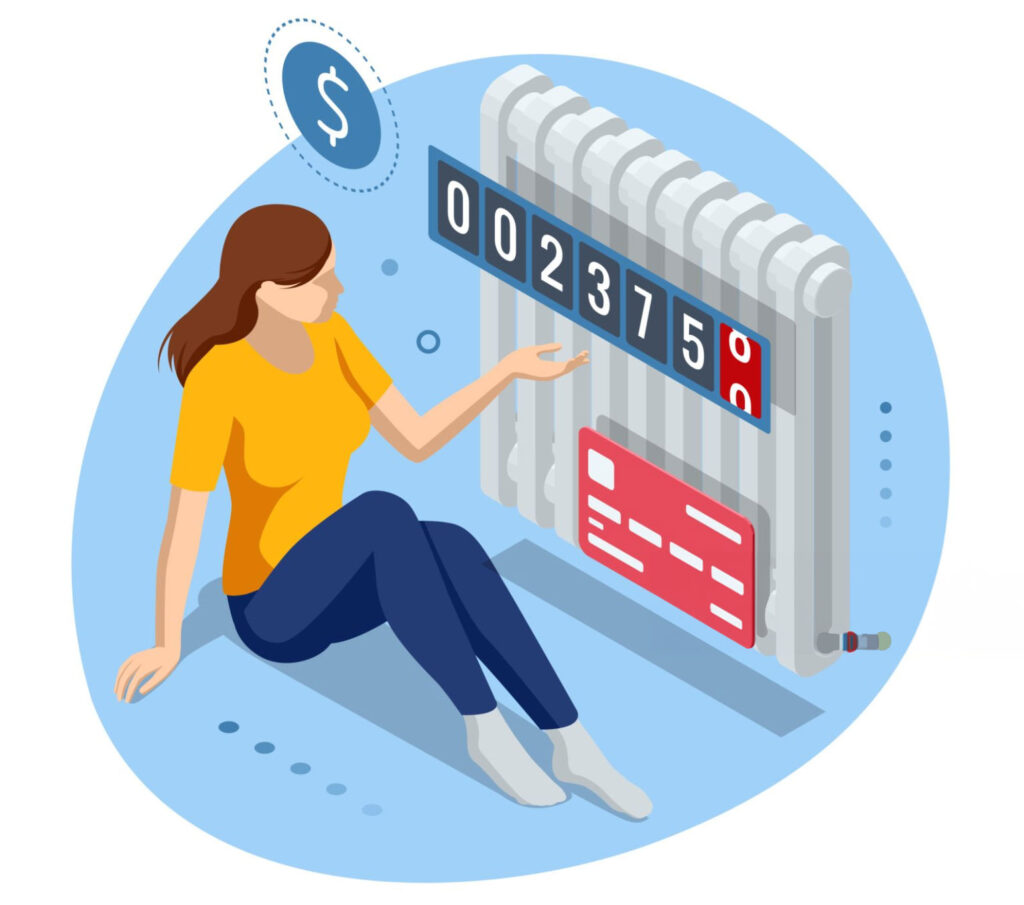
TMS quick facts for furnaces and boilers

Need More Advice?

Call the experts at TMS and find out what heating solutions we have for you- 860-342-8867

FAQs

What is the main difference between furnaces and boilers?
Furnaces heat air and distribute it through ducts, while boilers heat water to provide radiant heat.

Which system is more energy-efficient?
Modern boilers are often more energy-efficient, especially condensing models. However, high-efficiency furnaces are also available.

Can I switch from a furnace to a boiler?
Yes, but it requires a significant overhaul of your heating system. TMS experts can guide you through the process.

How often should I service my furnace or boiler?
Annual maintenance is recommended for both systems to ensure safety and efficiency.

Do boilers provide better air quality than furnaces?
Yes, boilers do not use ducts, reducing airborne dust and allergens though a good furnace filter can reduce allergens.

What fuel is most cost-effective for these systems?
Natural gas is typically the most economical option, but costs depend on local energy prices.
Can Your Toilet Stand Up to All the Holiday Traffic?

TMS has preventative plumbing services to make sure your bathroom is ready for holiday guests

Can Your Toilet Stand Up to All the Holiday Traffic?

As the holiday season ramps up, families gather, meals are shared, and guests often outnumber household occupants. It’s all merry and bright—until your toilet takes an unscheduled “vacation.” For homes across Connecticut, Total Mechanical Systems is here to ensure your plumbing is ready to handle this seasonal spike in usage.

With 24/7 emergency plumbing experts available at 860-342-8867, the team at TMS is ready to assist in keeping your holiday gatherings flowing smoothly—literally!

Why Holiday Traffic Challenges Your Toilet

Holiday traffic isn’t limited to clogged highways; your home’s plumbing system bears the brunt too. Here’s why your toilet might struggle:

  • Increased Usage: More people means more flushes. A single toilet in a home may go from an average of 5-6 flushes per day to 20 or more during family gatherings.
  • Unfamiliar Users: Guests can flush items not meant for toilets, like wipes, feminine products, or excessive toilet paper.
  • Aging Plumbing: Older systems may not handle modern flushing demands efficiently.
  • Colder Weather: Freezing temperatures can exacerbate slow drains and lead to burst pipes, complicating your holiday woes.

Signs Your Toilet May Be Overwhelmed

Don’t let a plumbing emergency catch you by surprise. Watch for these warning signs before your toilet waves the white flag:

  • Slow Flushing: Indicates a partial clog or insufficient water pressure.
  • Gurgling Sounds: Air trapped in your pipes could signal a pending blockage.
  • Frequent Clogs: A clear sign that your toilet or drainpipes are struggling.
  • Water Leaks at the Base: Points to a potential seal failure or crack.

If you notice any of these issues, call TMS at 860-342-8867 to schedule a pre-holiday inspection or immediate repairs.

Holiday Plumbing Preparation Tips

TMS give you plumbing tips for the holidays

Taking a proactive approach can save you from holiday plumbing disasters. Here are some simple steps to safeguard your toilet:

  • Schedule a Pre-Holiday Plumbing Check: Have TMS inspect your plumbing for potential issues.
  • Upgrade Older Fixtures: Low-flow toilets are great, but aging models may struggle with high usage.
  • Stock Plumber-Friendly Supplies: In addition to having plenty of toilet-friendly supplies for guests, make clear signage about what not to flush.
  • Clear Out Slow Drains: Use non-corrosive drain cleaners or call a professional to prevent backups.

TMS has Emergency Plumbing Services You Can Trust

Even with preparation, accidents happen. That’s why TMS offers 24/7 emergency plumbing services throughout Connecticut. Whether it’s a clogged toilet or a burst pipe our experienced plumbers are just a phone call away.

Why Choose TMS?

  • Fast Response Times: Holiday emergencies can’t wait—neither do we.
  • Skilled Technicians: Licensed professionals equipped to handle any problem.
  • Transparent Pricing: No surprises, even during off-hours.

Don’t Let a Clogged Toilet Ruin Your Holidays

So, can your toilet stand up to all the holiday traffic? If you’re still asking yourself this call TMS now before the holiday guests are on your doorstep. Remember, holidays are meant for joy, not stress. If your toilet needs a holiday tune-up or emergency care, let TMS handle it. With our team on call 24/7 at 860-342-8867, you’ll never be without the support you need.

How To Keep Your Pipes Warm this Winter!

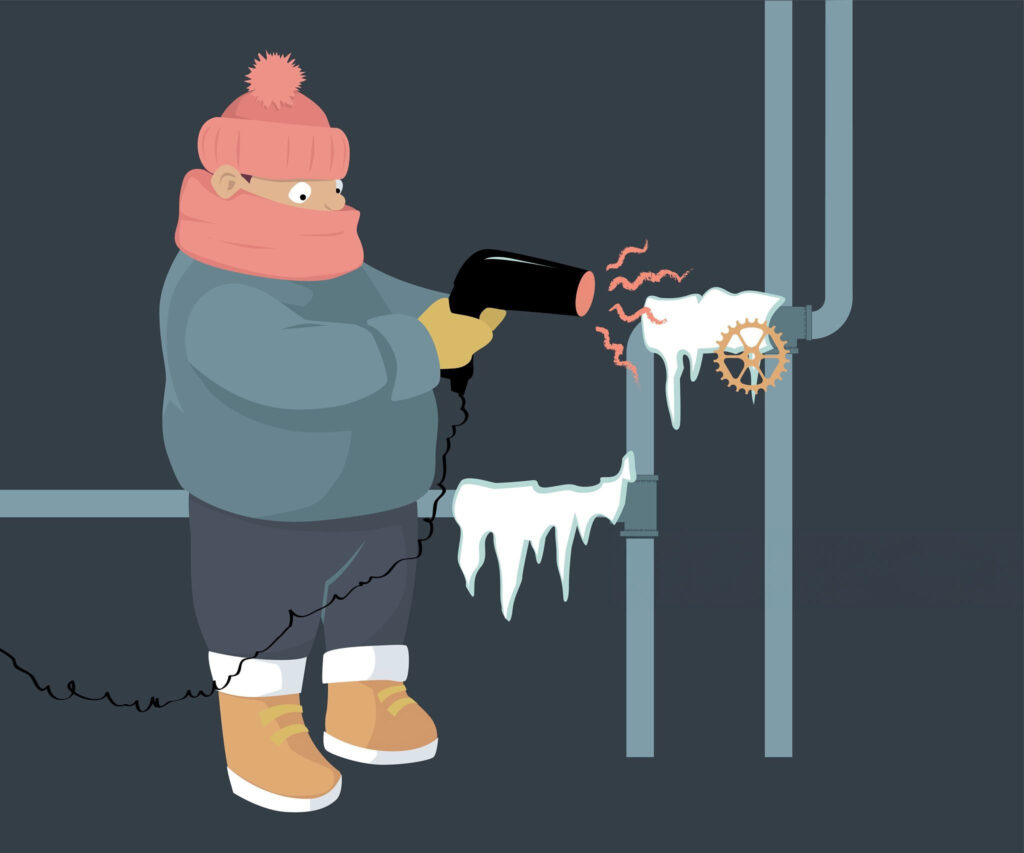
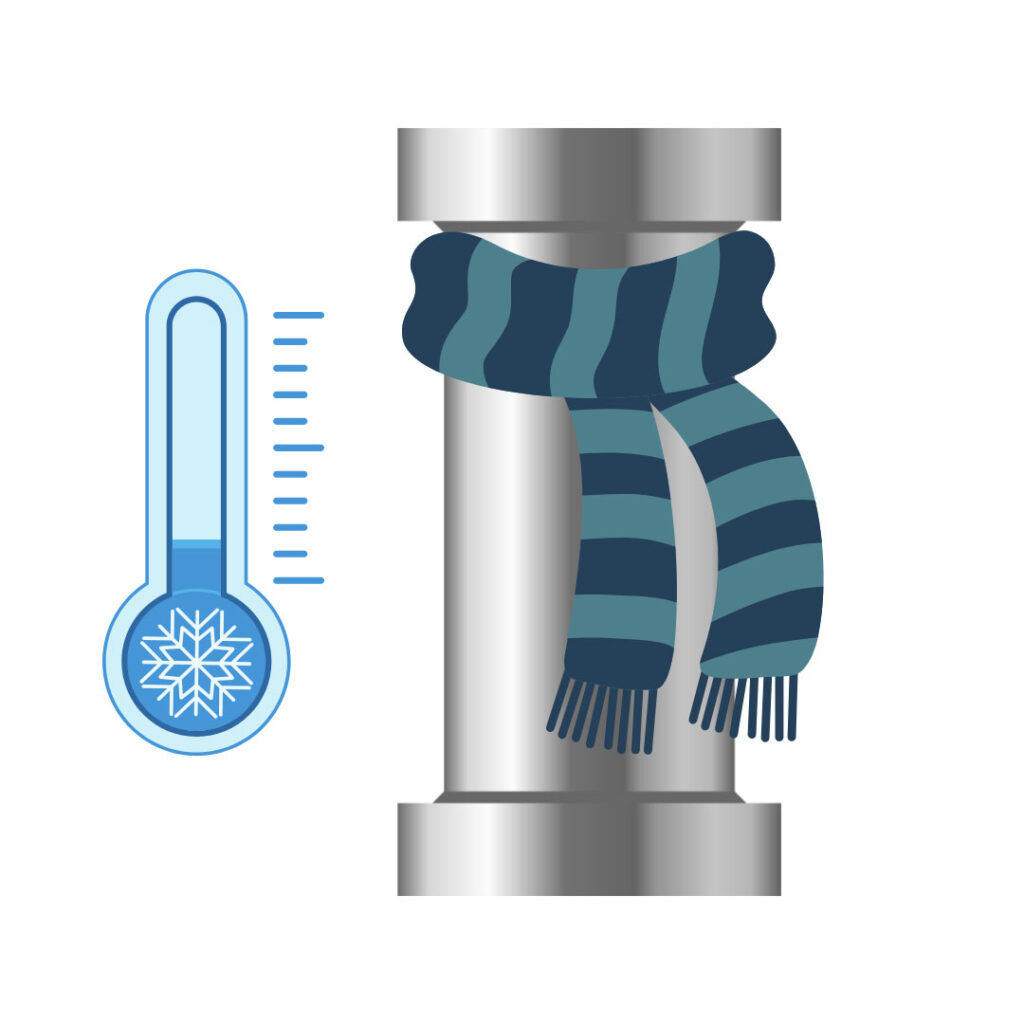
Keep your pipes warm this winter with TMS. Prevent Pipes from freezing. Keep your pipes warm this winter with TMS.
As you prepare for the holidays, the last thing you want to worry about is keeping your pipes warm! Taking some precautions can prevent the likelihood of your pipes freezing or bursting and will save you a lot of hassle down the road. Here are some things to check off your list before the temperatures really drop!


Are Your Pipes Insulated?

Keep your pipes warm this winter with good insulation. Pipes that run through unheated areas are more likely to freeze, and are therefore the most important to insulate. This applies to both cold and hot water pipes, as hot water pipes may still freeze if left unused. Even if you have insulated your pipes in past years, check each winter to ensure parts of the pipes have not become exposed.

If your pipes need pipe insulation call our plumbing experts at TMS at860-342-8867.
 

Pipe Leaks Let in Cold Air

Make sure there are no leaks near your pipes that are letting in cold air. If you find a crack, it’s likely you’ll need a plumbing expert to repair the issue and keep it from getting worse. It is also a good idea to leave your garage door closed to prevent cold air from coming in that way, especially if your pipes run through the area.

Let Water Drip

A little water today can keep you from cleaning up a lot of water later! When temperatures are very low, let cold water drip overnight. This should ideally be done with the faucet that is furthest away from the main valve. Even a small amount of moving water will make your pipes less likely to freeze than if left stagnant.

TMS helps identify Plumbing at risk of freezing

Monitor Your Thermostat

Keeping your thermostat at a consistent temperature no matter the time of day may keep your
pipes from freezing. (It also helps save money on heating!) It’s recommended to always have your heat set to 55 degrees or higher, even when you’re on vacation, to make sure everything is running smoothly when you return.

Turn off Water to the Outside

When freezing weather is expected, shut off water leading to outdoor faucets, such as hoses or outdoor showers. Drain the water from these pipes or hoses and leave them unused until the temperatures increase again.

What If They Still Freeze?

Even if you keep your pipes warm this winter, it is always good to know what to do in case your pipes end up frozen. The most important thing is to prevent water from flooding your home if a pipe has burst. If no water is coming out of your faucets, turn off the main water source. Once this is done, if there is no apparent damage to the pipes, you can attempt to thaw them. Here are some tips to follow when doing so:

  1. Don’t use anything flammable to thaw your pipes. This may seem like the quickest method, but it could result in damaging your pipes or stating a fire.
  2. Instead, opt for a hairdryer, hot towel, or heating pad to slowly thaw the pipes. Begin at the part of the pipe closest to the faucet and work your way down.
  3. Continue until the pipes are thawed and water pressure is back to normal.

If you suspect your pipes have been damaged in the freeze or there are additional issues, contact TMS at 860-342-8867.

Why Should You Trust Total Mechanical Systems?

At Total Mechanical Systems, we’ve helped countless homeowners prepare for and overcome cold weather issues whether it’s plumbing, heating or electrical. Our licensed and experienced plumbers use state-of-the-art equipment to diagnose and fix any problem, ensuring your home’s plumbing operates at peak performance.

Contact Total Mechanical Systems Today

Contact Total Mechanical Systems today for a professional assessment of your home’s winter readiness. Call us or book an appointment online to keep you pipes flowing freely.

If you have further questions or need recommendations, call TMS at 860-342-8867. Or email us via our Contact Page. After all, staying informed is the first step to ensuring your home remains a comfortable haven year-round!

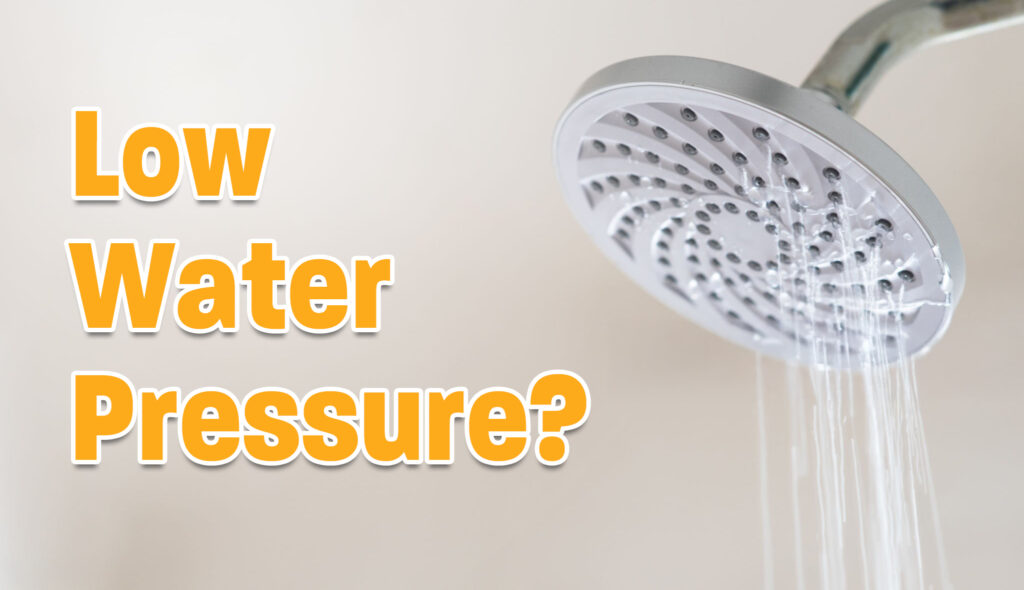
Why do I have low water pressure?

TMS fixes low water pressure.


Your Questions Answered: Why Do I Have Low Water Pressure?

Low water pressure in your home can be incredibly frustrating. Whether it’s a trickling shower, or slow-filling sinks, it’s an issue that no one wants to deal with. So TMS is here to answer your questions.


What Causes Low Water Pressure?

There are many reasons why your home might experience water pressure issues. Some of the most common causes include:

  • Clogged Pipes
    Over time, sediment, mineral deposits, and debris can accumulate in your pipes, restricting water flow. If you live in an area with hard water, this problem may be even more pronounced.
  • Leaks in the Plumbing System
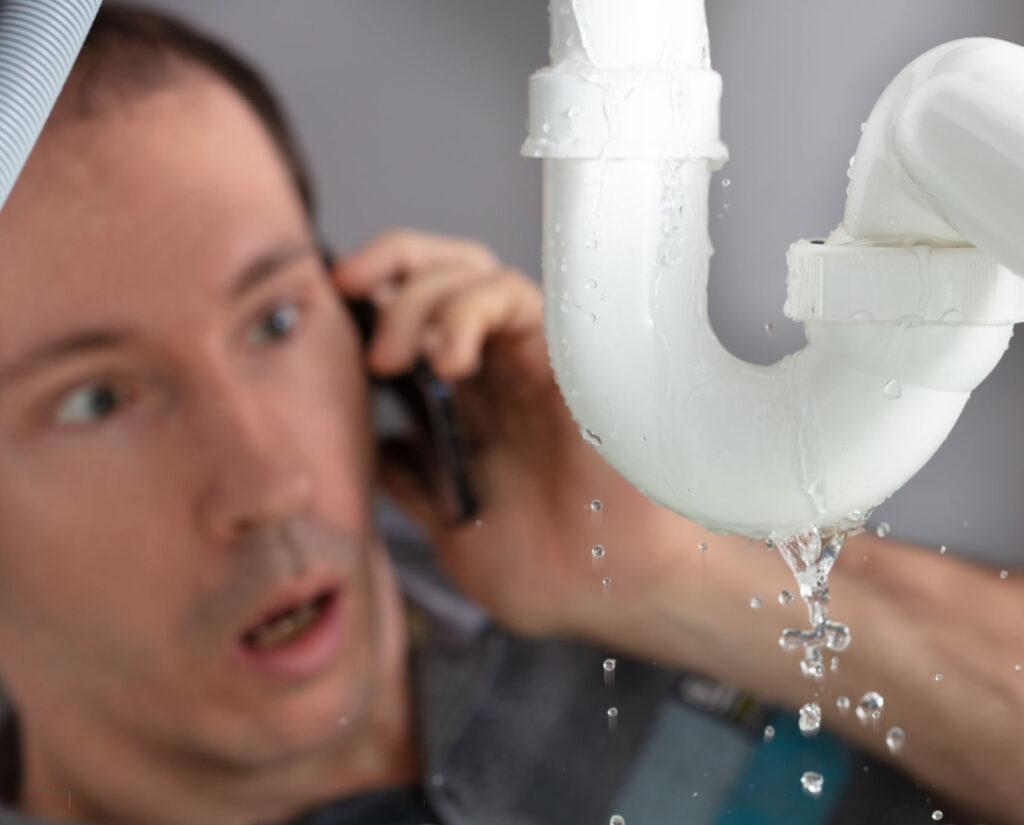
    Hidden leaks can significantly reduce water pressure. Even a small leak in your plumbing system diverts water from its intended destination, leaving you with less pressure at your faucets and showerheads.TMS Fixes leaks that cause low water pressure
  • Faulty Fixtures
    Old or malfunctioning fixtures like faucets or showerheads can cause a drop in pressure. Sometimes, simple cleaning or replacement can resolve the issue.
  • Municipal Water Supply Issues
    If your neighbors are experiencing similar water pressure problems, the issue may originate from the municipal water supply. Maintenance work or high water demand in your area could impact your home’s water pressure.
  • Pressure Regulator Malfunction
    Homes equipped with a water pressure regulator can experience problems if the device fails. A faulty regulator may limit the water flow entering your home.


How Can TMS Fix Low Water Pressure?

The solution depends on the root cause of the problem. We will diagnose the issue and recommend a course of action. Here are some potential fixes:

  • Clean or Replace Fixtures: TMS will inspect your water fixtures cleaning clogged aerators or replacing outdated faucets and showerheads.
  • Address Pipe Issues and Plumbing Leaks: Our plumbers are trained to look for signs of water pooling, damp walls, or increased water bills that might indicate a hidden leak. If clogged, broken or corroded pipes are to blame, TMS can clean or replace them.
  • Install a Booster Pump: If low pressure is due to the municipal water supply, TMS plumbers can install a booster pump, maintaining consistent water pressure.
  • Replace or Adjust the Pressure Regulator: TMS plumbers can use a pressure gauge to check if your water pressure is below the standard 40–60 psi range, replacing or repairing your pressure regulator as needed.


Why Should You Trust Total Mechanical Systems?

At Total Mechanical Systems, we’ve helped countless homeowners resolve their low water pressure issues quickly and affordably. Our licensed and experienced plumbers use state-of-the-art equipment to diagnose and fix any problem, ensuring your home’s plumbing operates at peak performance.

Contact Total Mechanical Systems Today

Don’t let low water pressure disrupt your daily routine. Contact Total Mechanical Systems today for a professional assessment and fast, reliable repairs. Call us or book an appointment online to restore your water.

If you have further questions or need recommendations, call TMS at 860-342-8867. Or email us via our Contact Page. After all, staying informed is the first step to ensuring your home remains a comfortable haven year-round!

The 5 Most Common Home Heating Issues and How TMS can help

As the colder months roll in, your home’s heating system becomes an essential part of your daily comfort. Whether you rely on a furnace or a boiler to keep things cozy, heating issues can be frustrating and sometimes even alarming. At Total Mechanical Systems, we’ve seen just about every heating problem under the sun—and we’re here to help you identify and solve the most common issues before they become major headaches.

Here are the 5 most frequent heating problems homeowners face and how the team at TMS can fix them.

TMS handles all your heating problems

Don’t wait until it’s even colder! Call TMS and make sure your heating system is ready for winter.


1. Heat Won’t Turn On

There’s nothing worse than walking into a cold home, especially when you’re expecting warmth from your furnace or boiler. If your heat won’t turn on, the most common culprits include:

  • Thermostat Issues: Sometimes, the problem is as simple as an incorrect thermostat setting or dead batteries.
  • Electrical Failures: If the system isn’t getting power, there might be a blown fuse, tripped breaker, or a more serious electrical issue.
  • Pilot Light Problems: For furnaces with a pilot light, this can sometimes go out, causing the system to fail.

If your heat won’t turn on, it’s time to call Total Mechanical Systems 860-342-8867 for a thorough inspection. Our certified technicians will troubleshoot the issue and get your heating system back in action quickly.


2. Furnace Making Noise

If your furnace is making unusual noises, it could signal a variety of issues. Common sounds and their possible causes include:

  • Rattling Fans: Loose components or debris in the system could be causing rattling noises.
  • Squealing: A high-pitched squealing sound might indicate worn-out fan belts or problems with the blower motor.
  • Banging or Popping: These noises can be caused by a buildup of dirt or debris in the burners or ductwork, or even gas combustion problems.

We specialize in furnace repair and can quickly identify the cause of these noises. We’ll take care of the problem and ensure your furnace runs smoothly and quietly throughout the season.


3. Furnace Burning Smell

If you notice a burning smell when you turn on your furnace, don’t ignore it! While a slight odor at the beginning of the season can be normal as dust burns off the heating elements, a persistent or strong burning smell could indicate a serious issue, such as:FMI deals with furnace odors

  • Overheating Components: Worn-out parts or clogged filters could cause components to overheat and burn.
  • Electrical Problems: Overheating wiring or a failing motor can emit a burning odor.
  • Burnt Dust: A more benign cause, but still worth addressing, is the accumulation of dust inside the furnace.

Whatever the cause, if the smell persists or worsens, it’s essential to get professional help. Our team can diagnose the problem and fix it before it escalates into something dangerous.


4. Boiler Leaking Water

Boiler systems are highly efficient, but like any heating system, they can develop problems over time. A common issue is a boiler leaking water. This could be due to:

  • Boiler Corrosion: Over time, internal parts can rust and leak, especially in older boilers.
  • Faulty Valves or Seals: A leaky valve or seal can cause water to escape.
  • Pressure Issues: A drop in system pressure can result in leaks, and it may also affect heating efficiency.

If you notice water pooling around your boiler or low pressure on the system, don’t wait—contact Total Mechanical Systems for expert boiler repair.

5. How Do I Bleed My Radiators?

If your radiators are cold at the top but warm at the bottom, or if they’re making gurgling noises, it might be time to bleed your radiators. Air can get trapped inside the system, preventing the hot water from circulating properly, which reduces efficiency and comfort.

Bleeding your radiators is a simple process, but it can be tricky if you’ve never done it before. If you’re not sure how, our team at Total Mechanical Systems can take care of it for you.

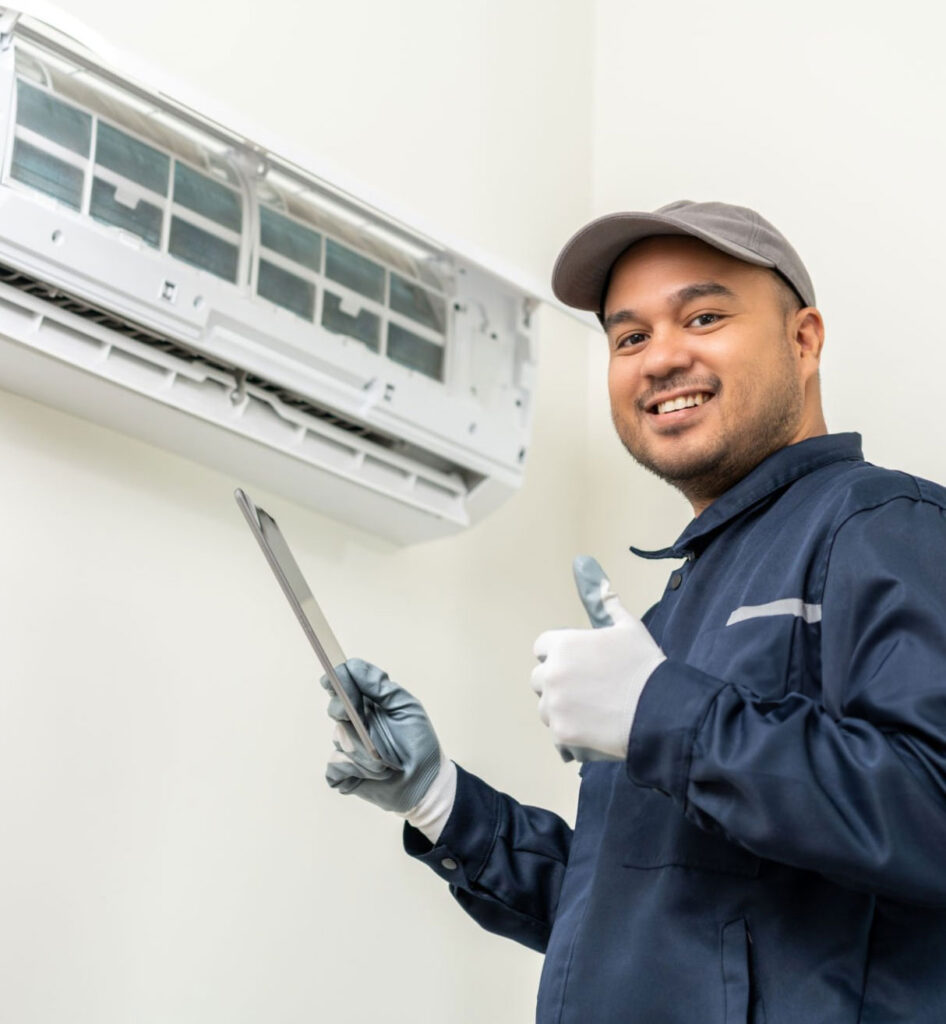
TMS services ductless mini splitsWhile some heating problems can be resolved with a quick fix, others require the expertise of a trained professional. At Total Mechanical Systems, we’re committed to providing top-notch furnace and boiler repair services to ensure your home stays warm and comfortable all winter long.

Whether you’re dealing with a furnace burning smell, a boiler leaking water, or just need to know how to bleed your radiators, we’ve got you covered.

Don’t let heating issues leave you out in the cold—contact Total Mechanical Systems today for all your heating needs!

If you have further questions or need recommendations, call TMS at 860-342-8867. Or email us via our Contact Page. After all, staying informed is the first step to ensuring your home remains a comfortable haven year-round!

Should you cover your air conditioner?

The temperatures have been at an all-time high this time of year, but it won’t last forever. As the days grow cold and you start cranking your heat up, you may think to yourself, should I cover my air conditioner? Depending on the type of ac unit, the answer is yes, but probably not when you think.

TMS answers when you should cover your AC

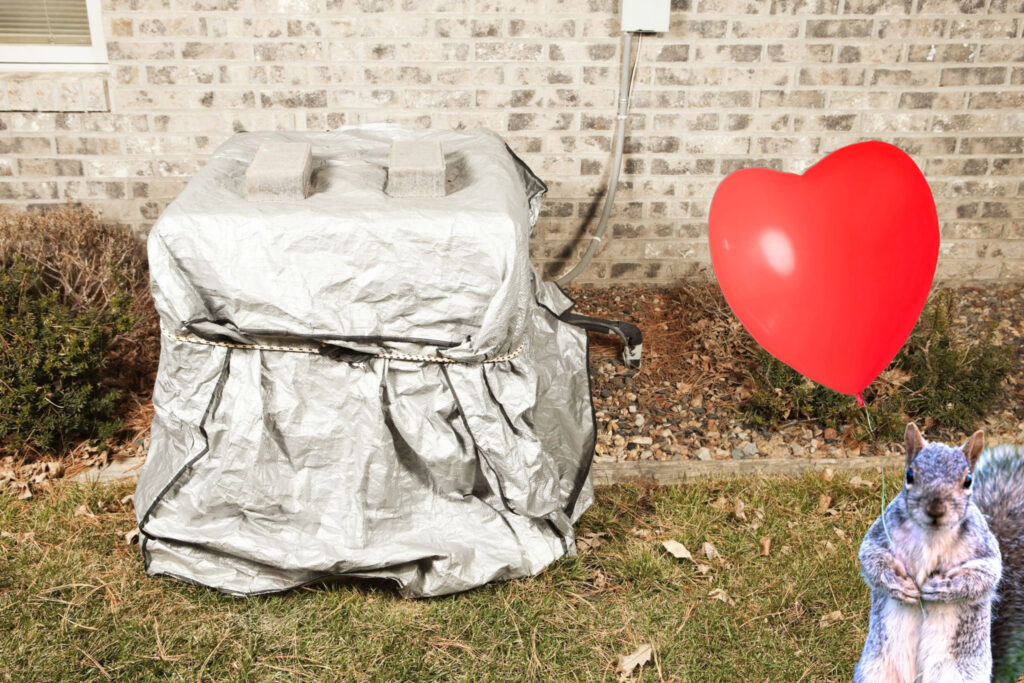
Squirrels and other critters will love you for covering your AC- but your AC unit probably won’t.


Window AC Units VS. Central AC

If you have a window ac unit, you should remove and store it for the winter months as those are not always created to be outside year-round. Storing it indoors is much more beneficial than trying to cover it in winter, as cold air may still seep in around the window edges. In addition, you may be creating a breeding ground for mold and critters to take up residence.

Permanently mounted units such as Central AC, however, are intended to be outside year-round and are built to withstand the elements. Just as summer rainstorms will not damage your unit, snowfall won’t either. Not only is it not necessary to cover your central air conditioning unit, but also doing so is likely to create problems rather than prevent them.


Mold vs Cold

Putting a cover on your air conditioning unit is not needed for keeping moisture out and in fact causes the opposite effect. The cover will contain the moisture, leaving it to fester in your unit, eventually creating mold and rust. The longer this goes unnoticed the more damaging it will be, and you may find yourself in need of a new unit once the temperature spikes again.

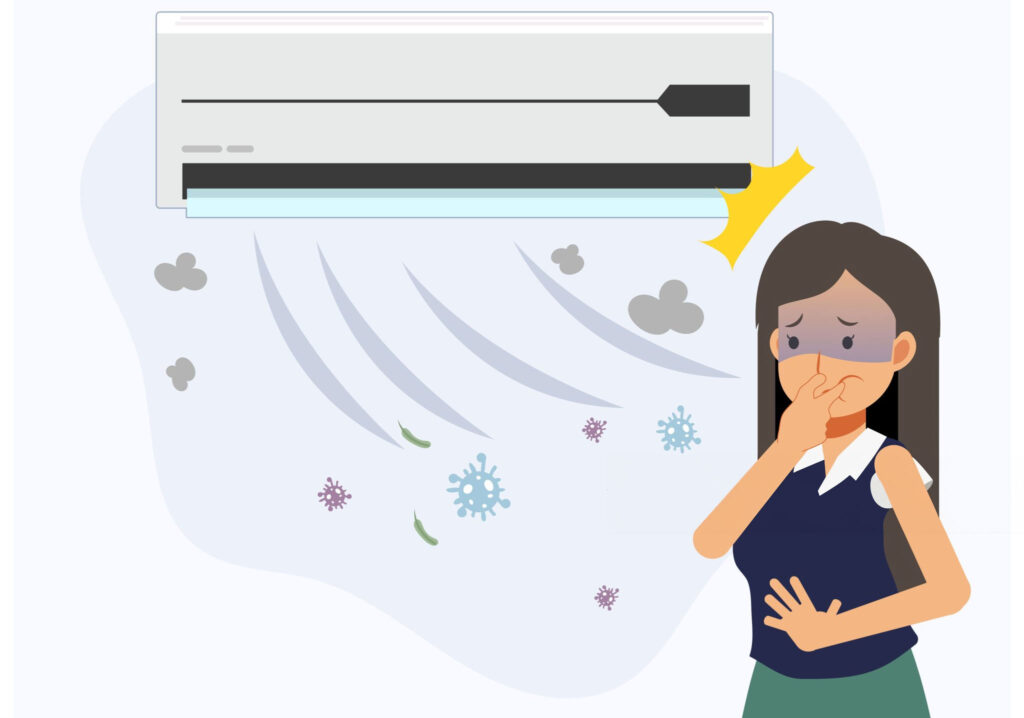
TMS Dirty AC Unit


Creature Comforts

If you cover your unit through the winter months, you may also find that come spring that a creature has made a home of it. Creating a barrier between your unit and wildlife may seem like a good idea, but you are actually making it more enticing for them. Small creatures will have an easy time getting under the cover, where they will have a confined space to escape the elements. Leaving your unit out in the cold ensures that animals will not be able to use it for refuge.


When you should ACTUALLY cover your air conditioning unit.

If you do want to cover your central air conditioning unit, fall is the time to do it. Doing so prevents debris such as falling leaves and acorns from entering the machine. In this case a breathable cover is advised. You can also cover the unit with a simple sturdy top to keep debris out.

Air conditioning units are vital for getting us through the summer months, and it is natural to want to preserve them as much as possible. Just remember the key takeaways:

  • If you are utilizing a window unit, remove and store it for the winter months as those units are not always created to be outside year-round.
  • Never use a fully enclosed cover on your air conditioner, or you will be dealing with unwanted circumstances such as mold.
  • If you do use a cover, the time to use it is in the fall. Make sure it is breathable or only covers the top.

Follow these tips, and your unit should be around to keep you cool for years to come!

If you have further questions or need recommendations, call TMS at 860-342-8867. Or email us via our Contact Page. After all, staying informed is the first step to ensuring your home remains a comfortable haven year-round!

Home Backup Generators: Your keys to a warm winter from TMS

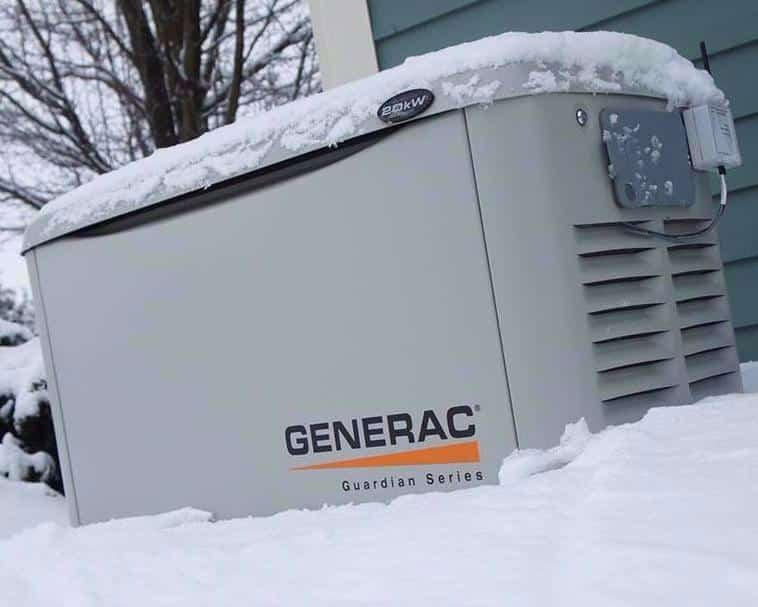
Why Choose a Backup Generator?TMS installs Generac home generators

Power outages can be more than inconvenient- in winter they can be downright dangerous. Whether it’s during a storm or an unexpected power outage, having a home backup generator provides peace of mind by ensuring essential systems, like heating and security, stay powered.


How We Help

Choosing a generator involves a few important decisions from fuel type to size and placement. Total Mechanical Systems is your local Plainville partner helping homeowners across Connecticut with backup power solutions.


Choosing the Right Generator

One of the first steps in installing a generator is selecting the right unit based on your needs. If you’re powering a home, a residential generator may suffice, while businesses may need commercial or industrial-grade generators. Here are some key factors our experts will help you consider:

  • Fuel Type: Options include diesel, natural gas, propane, and even solar. We’ll make sure you have the right fit for your home.
  • Size and Capacity: We start by analyzing your energy requirements, making sure the generator can handle the essential power loads in your space.
  • Top Brands: We work with trusted names like Generac to offer high-quality, durable units.
  • Location: We’ll set your generator in a well-ventilated area for safety and efficiency.

TMS sells and services Generac brand generators

What does it cost to install a home backup generator?

  • Unit Costs- The type of generator you need plays a big role in the cost. Home backup generators are very affordable with units for every type of homeowner. If you’re considering commercial or industrial-grade generators, expect a higher starting price since these units are built to handle larger power demands.
  • Installation Costs- Professional generator installation is essential for safe and effective operation, with costs usually averaging about half the cost of the unit itself, depending on your home electrical setup. Variables like site preparation, permits, and electrical upgrades can affect installation costs.
  • Maintenance and Fuel Costs – Ongoing maintenance, like routine servicing, is necessary to keep your generator in optimal condition. Make sure to budget for yearly service. Fuel costs will depend on usage and fuel type (such as diesel, propane, or natural gas).

TMS is your Partner

We don’t stop at installation; we want to keep your generator in top condition to ensure it’s there for you in an emergency. Our technicians provide home generator service as well as generator repair to address any issues quickly and professionally. Some points to keep in mind:

  • Routine Inspections: Service your generator at least once a year.
  • Battery Checks: Keep batteries charged and test the unit regularly.
  • Fluid Levels: Diesel generators require regular oil and fuel checks.

Total Mechanical Systems offers a wide range of top generator brands and types, home generators, portable generators, Stand by generators. Whether you need a diesel generator for heavy-duty reliability or a quieter, natural gas generator, we have options for you.

If you have further questions or need recommendations, call TMS at 860-342-8867. Or email us via our Contact Page. After all, staying informed is the first step to ensuring your home remains a comfortable haven year-round!

Prepare Your Heating System for the Cold

Here are a few tips for turning your heating system on for the first time this season, and what you can do to prepare your heating system for the cold and coolest months ahead.

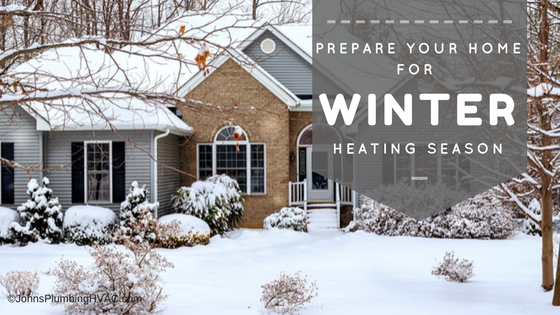
prepare home heating system for winter

What to do Beforehand

  • Make Sure your Filter is Clean. If you can’t remember the last time it was changed, it’s likely past due.
  • Clear the Area Around Your Heating System. Is the area surrounding your heating system clear? If you have boxes or belongings stored too close, it could be a potential fire hazard.
  • Test Smoke and CO Detectors. Brush the dust off them and make sure you switch out the old batteries.

What to Expect

It’s normal for your home to smell for a little while after you switch on your heating system for the first time of a season. Think of all the dust that has settled over the warmer months – all of that is burning when you switch on the heat. The smell shouldn’t last too long, however. If it lingers for more than a few hours or a day, it’s best to call the professionals at Total Mechanical Systems for heating repair.

Watch for Warning Signs

When you turn your heating system on for the first time, it’s important to watch for signs of a problem. Having an issue is unlikely, but it’s better to be safe than sorry. If you hear any unfamiliar noises, or your system seems to be struggling in any way, schedule your service before it escalates into a costly repair.

Turn it on Early

One of the biggest mistakes that homeowners make is waiting until it’s already cold out to turn on their heating system for the first time. It’s better to know if there’s a problem with your heating system early on so you can have it repaired before the coldest weather sets in and you really need it!

The Importance of Professional Maintenance

Professional maintenance is the best way to ensure that your heating system not only lasts through this winter, but for years to come. Any maintenance done by the pro technicians at Total Mechanical Systems will give you:

  • Less Risk. A furnace that hasn’t been professionally serviced in a long time is at more of a risk for fire, gas leak, or carbon monoxide leak. To keep your heating system working as safely as possible, it’s important to have it professionally inspected and tuned-up at least once a year before heating season sets in.
  • Improved Indoor Air Quality. Your furnace and duct system are responsible for circulating warm air throughout your home. If you have a dirty filter or your system is struggling to keep up, your air quality can be negatively affected.
  • Cheaper Utility Bills. A well-maintained heating system can work efficiently and heat your home adequately. Proper maintenance saves more than just your utility bill, but the cost of avoidable repairs, or worse, an early replacement.
  • Less Repairs in the Future.  Keeping your heating system happy and healthy will help it last longer and prevent malfunctions down the road.
  • Increased Home Comfort. After a Total Mechanical Systems technician performs maintenance on your furnace, you’ll be more comfortable in your home than ever before! Your home will be fully prepared for the cooler weather as well.

Don’t wait until it’s bitter cold out. Prepare your heating system for the cold NOW. If you need any heating service such as maintenance, repair, or replacement, call Total Mechanical Systems today!

Go to Top