
Plumbing

Why Does My Tap Water Smell Funny?

TMS helps you identify the source of smelly tap water

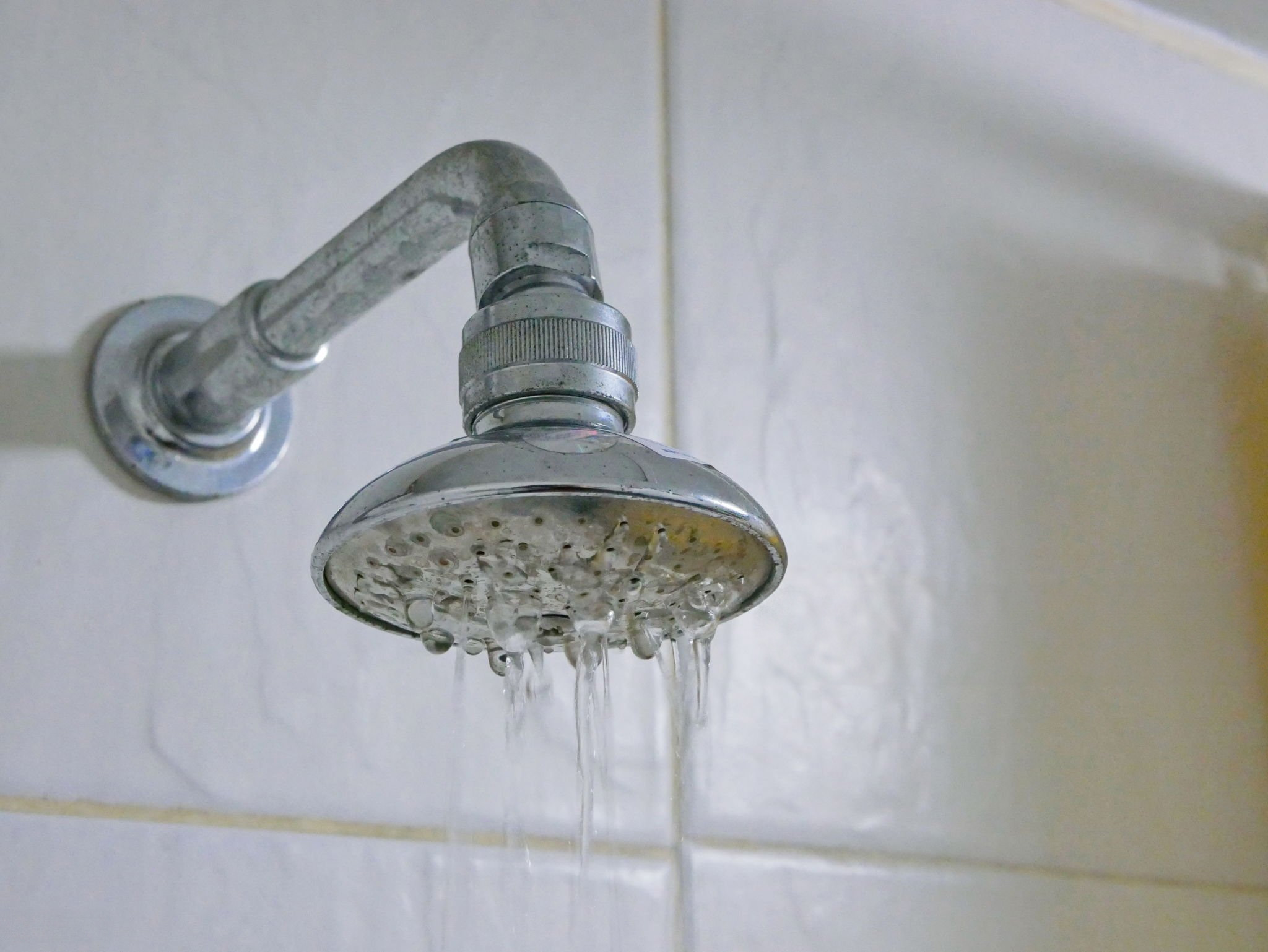
Turning on the tap and being greeted by an unexpected, unpleasant odor can be very unsettling. Clean, fresh water should be odorless and tasteless, so if you’re asking “Why Does My Tap Water Smell Funny?” – it’s natural to be concerned. If you’ve recently noticed a strange smell emanating from your tap water, you’re not alone. This is a common issue, and while it’s often harmless, it can occasionally indicate a more serious problem.

Common Water Odors and Their Causes

  • Chlorine Smell:

    • A strong, bleach-like smell may indicate that there are above average levels of chlorine in your water. Chlorine is often added to municipal water to remove harmful algae and bacteria and is regulated by the EPA. Chlorine rapidly breaks down in water and is generally harmless even if it produces an odor. If your water smells strongly of chlorine let it sit for a few minutes and the odor will dissipate. If the smell is excessively strong, contact your local water utility.
  • Sulfur or Rotten Egg Smell:

    • This is often caused by hydrogen sulfide gas, and can indicate a problem with your water heater, well, or plumbing. While the gas is naturally occurring in some groundwater and not harmful at low levels, the presences of hydrogen sulfide in you water can indicate other potential problems. If the smell only occurs when using hot water then the problem is likely to be in your water heater. If you have a private well, test your water for bacteria as hydrogen sulfide can be a result of sewage or pollution contamination- though this is extremely rare. Contact a plumber or well service professional for assistance.
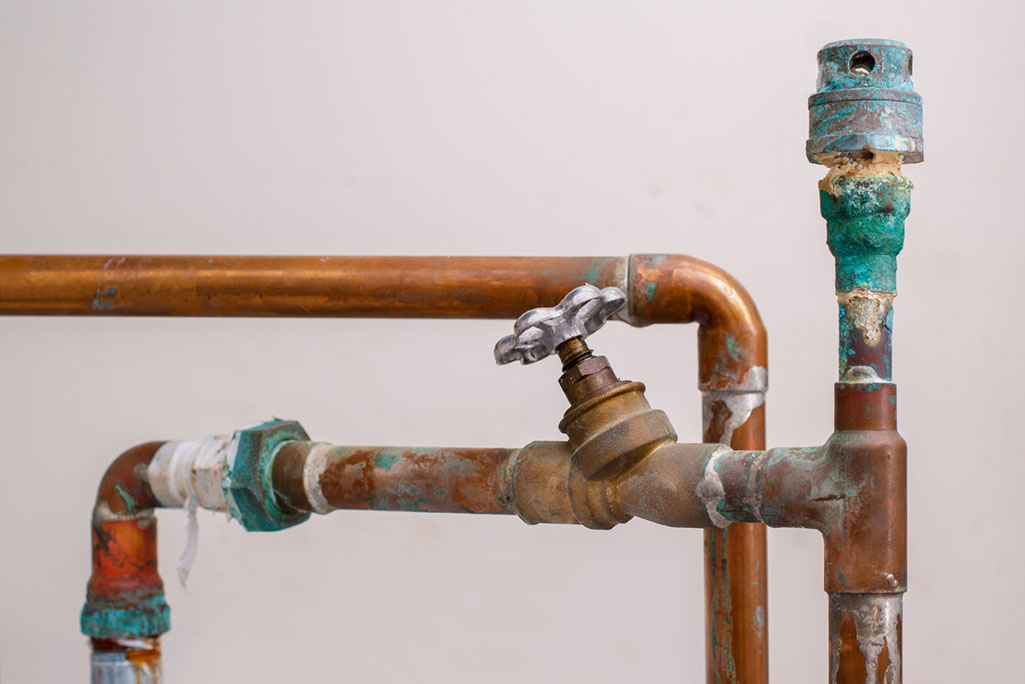
  • TMS replaces old copper pipesMetallic Smell:

    • The metallic smell and taste is often caused by iron, manganese or zinc that are common in groundwater. If you suspect your well water has a high concentration of these metals consult a plumber or well service about the installation of a water filter to remove excess metals and minerals. Another culprit can be iron, copper, or other metals leaching into the water from pipes, especially in older homes. It can also be caused by corroded plumbing fixtures. Run the water for a few minutes to see if the smell dissipates. If it persists, have your plumbing inspected. Water testing is recommended to identify the metal causing the issue.
  • Earthy or Musty Smell:

    • This is often caused by naturally occurring organic matter, such as algae or decaying leaves, in the water source. It can also be due to mold or mildew in your pipes or water filter. Talk to your plumber about installing or replacing a water filter. If you have a private well, ensure it is properly sealed and maintained. Contact your water utility if you suspect a problem with the water source.
  • Fishy Smell:

    • This is typically caused by decaying organic matter or certain harmless bacteria. The most common cause is organic matter built up in your sink drain, making you think the smell is coming from your water. To test, fill a glass with tap water, move away from the sink and swirl the water in the glass. If the problem is in the drain then the glass should not have an odor. In rare cases the fishy smell can be due to the presence of barium or cadmium, which can leach into water from industrial waste or agricultural runoff. If you live in an agricultural area where you suspect this may the issue, it could be a serious concern and requires immediate water testing. Contact your local health department or a certified water testing laboratory.
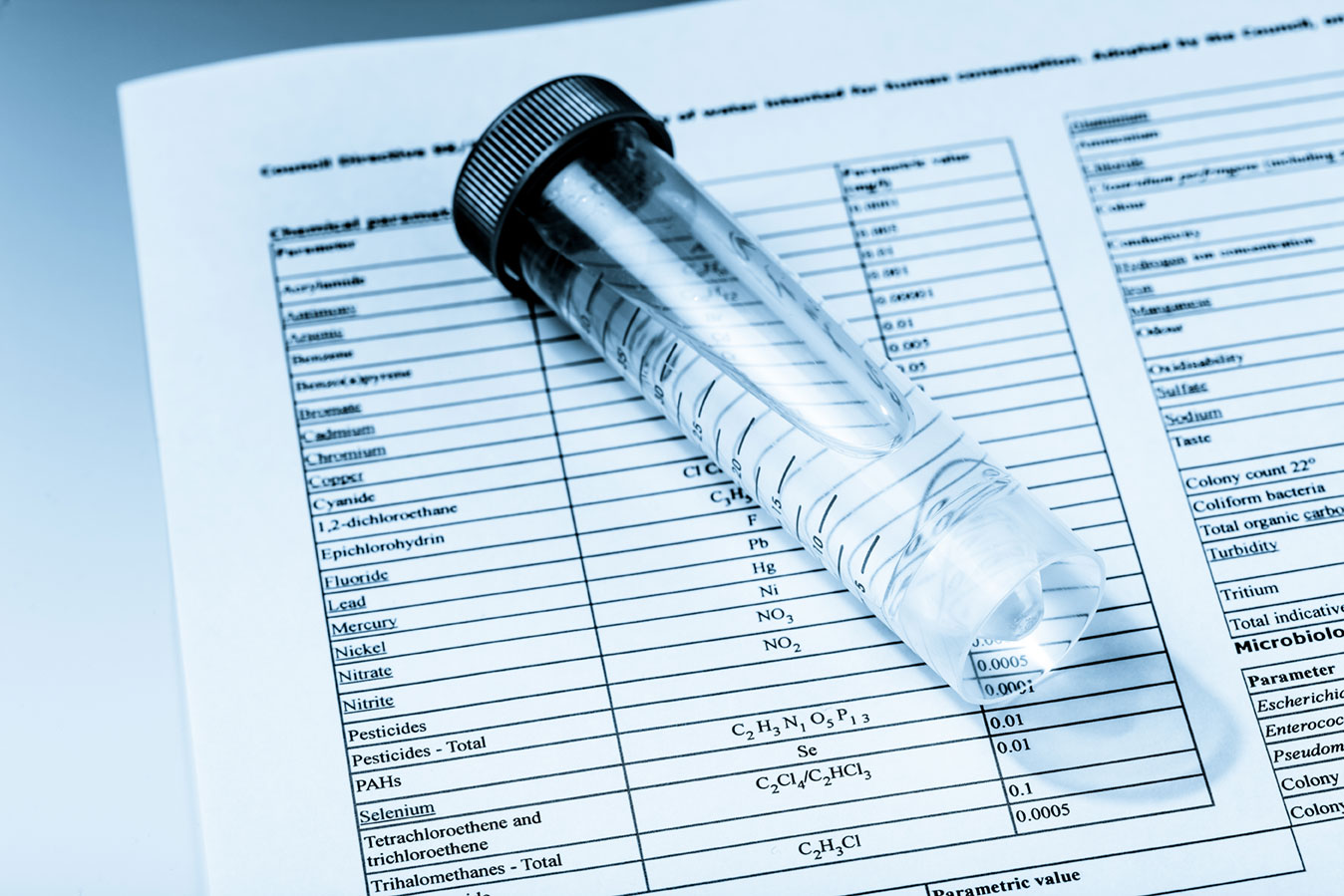
  • TMS can test your water or recommend in-depth testingChemical or Medicinal Smell:

    • This smell is usually a byproduct of chlorine reacting with organic materials built up in plumbing as it breaks them down. Run your water for a few minutes to see if the smell dissipates. If the smell persists it can, in rare cases, be due to contamination from industrial chemicals, pesticides, or other pollutants. If you think this may be the case stop using the water and contact your local health department or water utility.
  • Chloramine Rubber Smell:

    • Chloramine is a common disinfectant in municipal water formed by combining chlorine and ammonia and, like chlorine, is regulated by the EPA. While similar to chlorine, its smell is sometimes described as rubbery or plastic. Let the water sit for a minute or use a filter that is designed to remove chloramine to reduce the odor. If the odor is extreme and persistent contact a plumber or your municipal water supplier to have your water tested.

A funny smell in your tap water can be alarming, but in most cases is harmless and can be mitigated with the installation of a water filtration system or by updating old plumbing. But there are cases where funny smelling water indicates more serious issues and understanding the potential causes can help you take the appropriate steps. Contacting a professional is always the best way to ensure the issue is handled properly. Contact TMS at 860-342-8867 if you suspect your plumbing is impacting your water quality.
Signs Your Plumbing Might Be Struggling

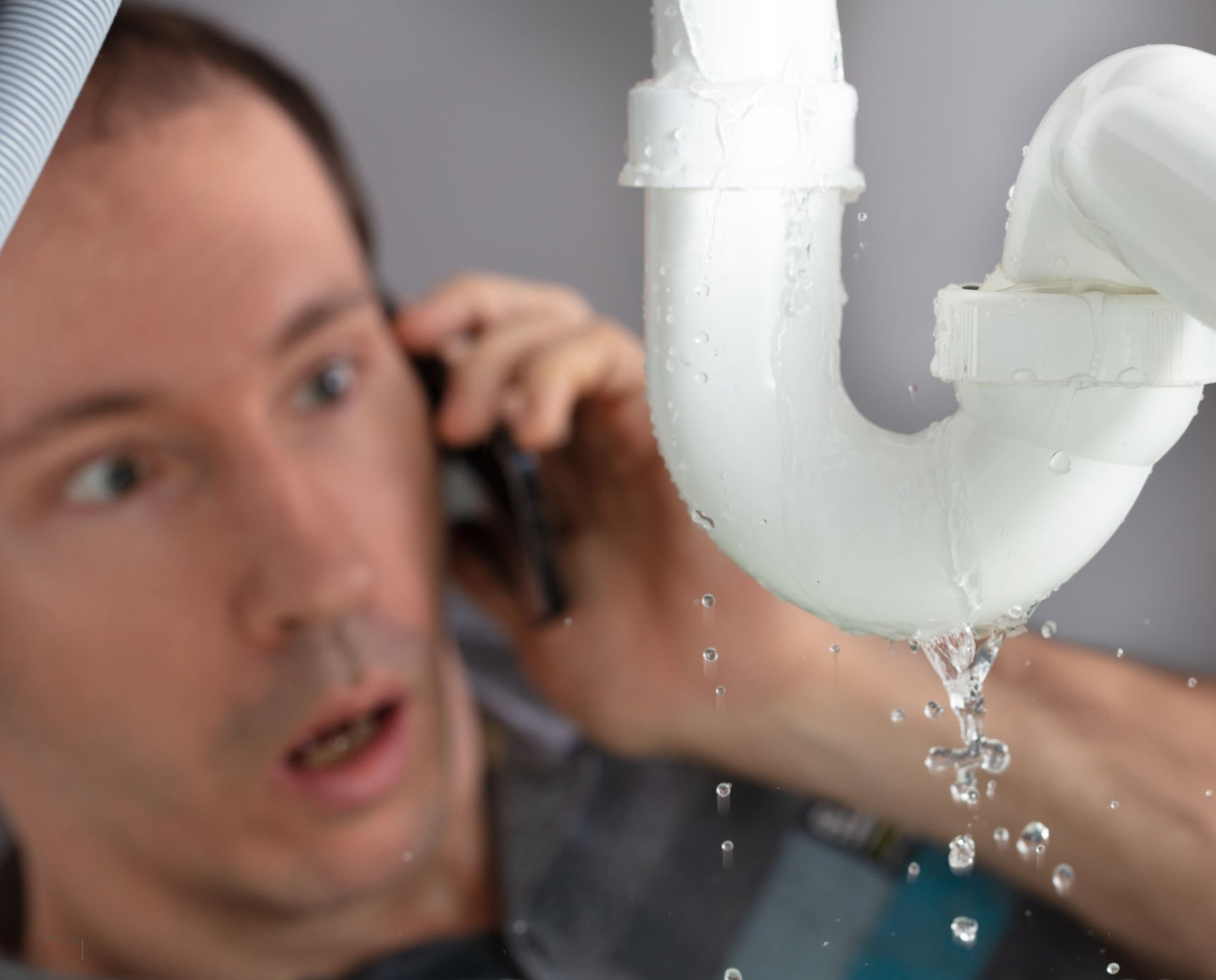
Our plumbing systems are the unsung heroes of our homes. But like any hardworking system, plumbing can experience wear and tear over the years, leading to problems that range from minor inconveniences to major, costly disasters. Recognizing the early signs of plumbing in distress is crucial for preventing disasters and maintaining a functional plumbing system.

TMS helps you identify leaks

Signs Your Plumbing is Struggling:

  • Dripping Faucets

    • Over time, seals and gaskets wear away, connections become loose, and valves can malfunction. Look out for slow drips from your faucets, showerheads, toilets, and water heater.
  • Leaky Pipes

    • Even small leaks can waste significant amounts of water over time and lead to water damage. Look for visible water droplets or puddles, staining or discoloration on ceilings or walls, a sudden increase in your water bill, and the sound of dripping water when all faucets are off.
  • Slow Drainage

    • A slow-draining sink, shower, or bathtub signals a blockage in your drainpipes. Look for water pooling in the sink or shower, gurgling sounds coming from drains, and multiple drains throughout your home slowing at the same time.
  • Toilet Troubles

    • Keep an eye out for issues with your toilet including weak flushes that don’t clear the bowl, continuous running, gurgling sounds when other fixtures are used, water pooling around the base, and cracks in the porcelain. Toilet problems can waste water, lead to overflows, and indicate issues with the sewer line.
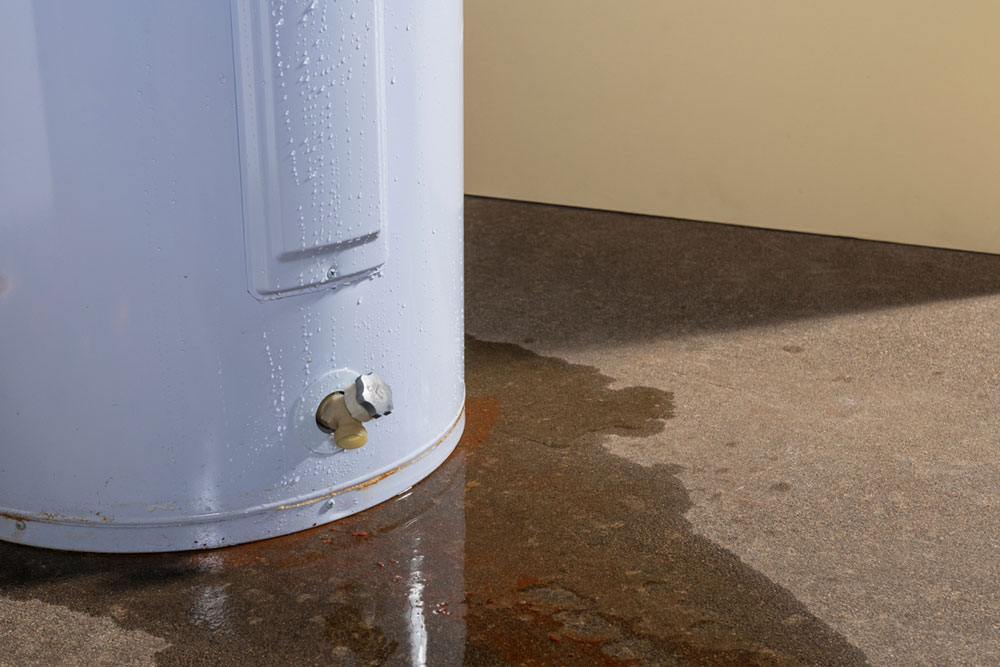
  • TMS fixes or replaces leaking water heaters

    Low Water Pressure

    • A sudden drop in water pressure can be a sign of a blockage in your pipes, a leak, or a problem with your water supply. Look for a noticeable decrease in water flow from faucets and showerheads, inconsistent water pressure throughout the house, and sudden changes in water pressure when other appliances are used.
  • Strange Noises

    • Listen for gurgling, banging, or whistling sounds from pipes, rattling or vibrating pipes, and screeching or grinding noises from the water heater. These noises can indicate air in the pipes, loose pipes, or problems with the water heater. Ignoring these sounds can lead to more significant damage.
  • Sewage Smells

    • Sewage smells indicate a potential sewer line issue, which requires immediate professional attention. Pay attention to a foul odor emanating from drains or toilets, backup in toilets or drains, and wet spots in the yard with a foul odor.
  • Water Heater Issues

    • Problems with your water heater can lead to discomfort, inconvenience, and potentially costly repairs or replacements. Look for inconsistent water temperature, no hot water, rust-colored water, leaks around the water heater, strange noises from the water heater, and corrosion on the water heater.
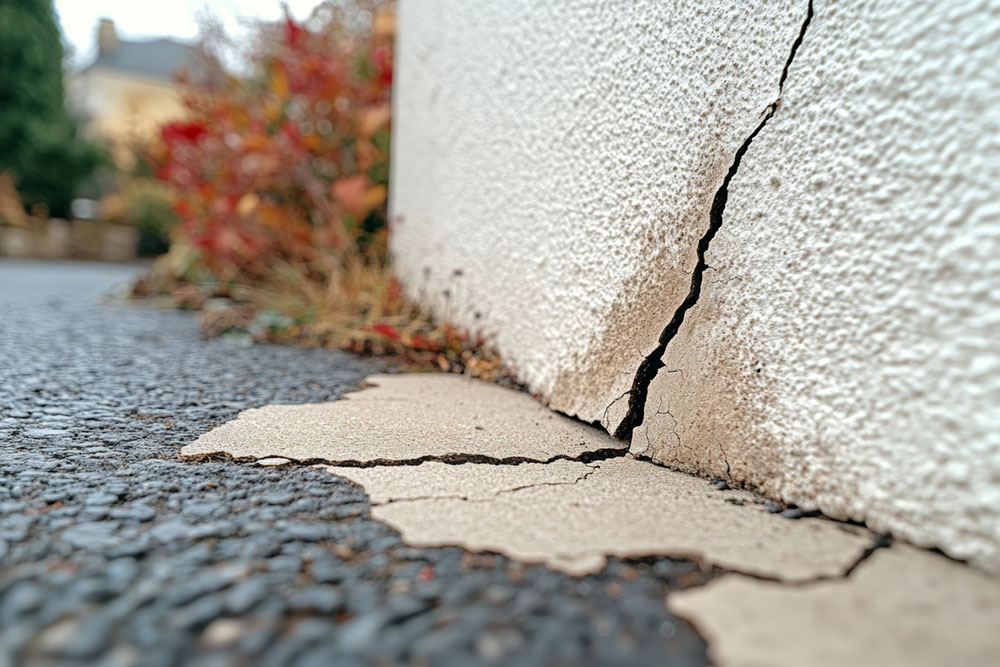
  • TMS helps you identify cracks in your foundation from water leaks imageFoundation Cracks

    • Cracks in your foundation can be caused by underlying plumbing problems, particularly underground leaks. Look for new or widening cracks in the foundation, uneven settling of the foundation, and damp spots or mold growth near foundation walls.
  • Lush Patches of Grass

    • An unusually green and lush patch of grass in your yard, especially during dry periods, can indicate a leaking underground pipe. Look for a localized area of unusually green and healthy grass, soft or soggy spots in the yard, and a noticeable increase in your water bill without a change in usage.
  • Older Plumbing Systems

    • If your home has an older plumbing system, particularly with galvanized steel pipes, you’re at a higher risk of experiencing plumbing problems. Look for visible corrosion or rust on pipes, frequent leaks or blockages, discolored water, and low water pressure.

By paying attention to the signs, you can prevent costly plumbing repairs and ensure a more comfortable and functional home. As soon as you suspect a plumbing problem, call TMS at 860-342-8867! We will make sure to get everything running smoothly again in no time!

Should You Repair or Replace Your Well Pump? Here’s What You Need to Know

Let’s be honest—your well pump probably isn’t something you think about… until it stops working. Suddenly, there’s no water for your shower, no way to do laundry, and worst of all—no flushing toilets. Yikes!

TMS repairs or replaces well pumps before you have no water, image

Before you panic and rush into replacing your pump, take a deep breath. A full replacement isn’t always necessary. Sometimes, a simple repair can get your water flowing again without the hefty price tag. Let’s break down the signs of a failing well pump and figure out whether you should repair or replace it.


Signs Your Well Pump is in Trouble

How do you know if your pump is struggling? Here are some common red flags:

  • Low Water Pressure – If your faucets are barely trickling, your pump might be on its last leg.
  • No Water at All – No water coming from any tap? That’s a major sign something’s wrong.
  • Spitting Faucets – Air bubbles coming out with your water? That could mean your pump is having a hard time maintaining pressure.
  • Weird Noises – Humming, grinding, or clicking sounds aren’t normal. Your pump could be working overtime—or breaking down.
  • Constant Cycling – If your pump keeps turning on and off or won’t stop running, it might be struggling to keep up.
  • Dirty or Smelly Water – A sudden change in water quality could indicate pump issues (or a bigger problem with your well).
  • Higher Energy Bills – A pump that’s working harder than it should will use more electricity, which means a higher bill for you.

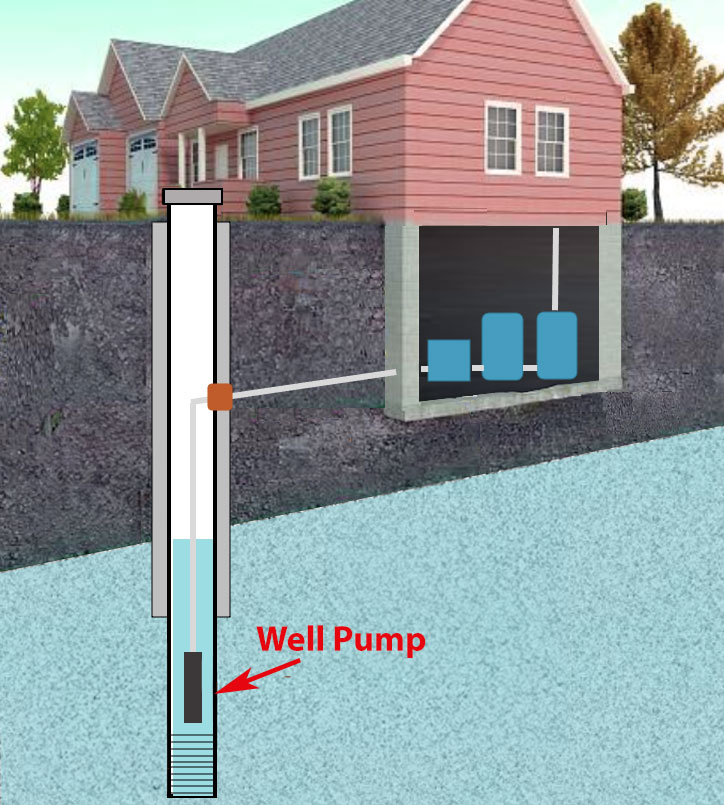
TMS explains well pump systems, image

When a Repair Might Do the Trick

Not every well pump issue means you need a brand-new one. If the problem is minor, a repair could be all you need:

  • Pressure Switch Issues – This little component controls your pump’s cycling, and replacing it is usually quick and affordable.
  • Wiring Problems – Corroded or damaged wiring can disrupt your pump’s performance, but fixing it is often straightforward.
  • Check Valve Failure – If your system has backflow or pressure problems, a faulty check valve could be the culprit.
  • Minor Leaks – Small leaks in the piping or connections? Those can often be patched up without a full replacement.

When It’s Time for a Full Well Pump Replacement

Sometimes, repairs just won’t cut it. Here’s when it makes more sense to replace your well pump:

  • Your Pump is 10-15+ Years Old – If your pump has been running for over a decade, it’s likely reaching the end of its lifespan.
  • Major Damage – A cracked casing, a burnt-out motor, or severe internal damage? It’s time for a new pump.
  • Frequent Repairs – If you’re constantly calling for repairs, it may be more cost-effective to replace the pump entirely.
  • Your Water Needs Have Changed – Added a new bathroom? More people in the house? If your water demand has increased, your pump might need an upgrade.
  • Corrosion – If your pump is rusting or corroding, it’s best to replace it before it fails completely.

What to Consider Before Making a Decision About Your Well Pump

Not sure whether to repair or replace? Keep these factors in mind:

✔ Cost: If repairs are adding up, replacement might be the smarter investment.
✔ Pump Age: If it’s near or past its lifespan, a new pump could save you from future headaches.
✔ Damage Level: A minor issue can be fixed, but severe damage means it’s time for a replacement.
✔ Water Quality Changes: If your water is suddenly discolored or smelly, your well pump (or even your well) could be to blame.

TMS logo

✔ Professional Advice: When in doubt, call in the experts!

Don’t Go It Alone—Call the Pros!

While some small fixes can be DIY-friendly, well pump repairs and replacements are best left to professionals. The last thing you want is to make things worse and end up without water for days!

If your well pump is acting up, TMS is here to help. We’ll diagnose the issue and get your water flowing again in no time. Give us a call today at 860-314-1518!

What’s a Well Pump Pressure Tank and Why You Need One

You turn on the tap every day and expect water to flow, but do you ever think about what makes that happen? A well pump pressure tank is the piece of plumbing to thank for your consistent water pressure.

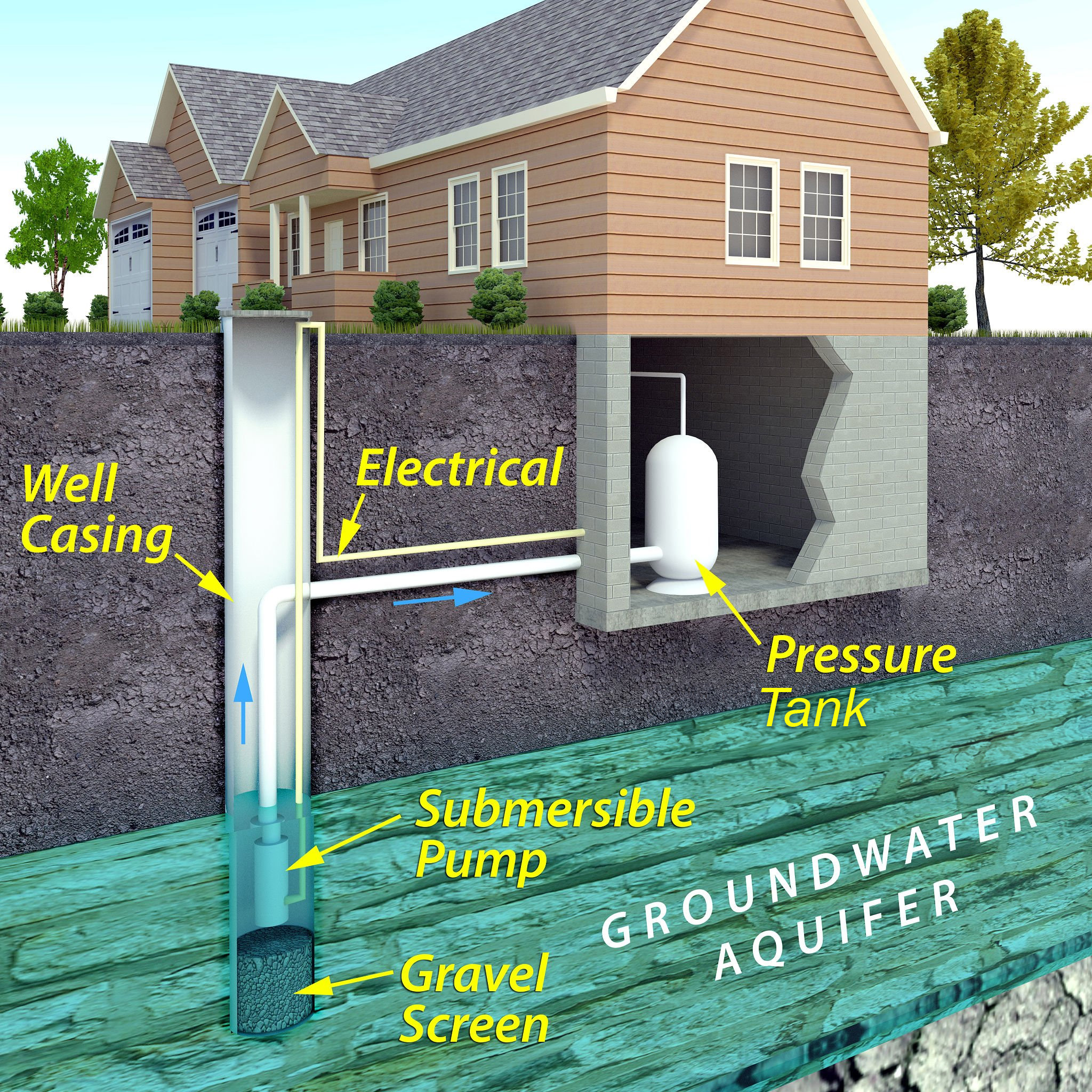
TMS explains teh basics of home well water plumbing

What is a Well Pump Pressure Tank?

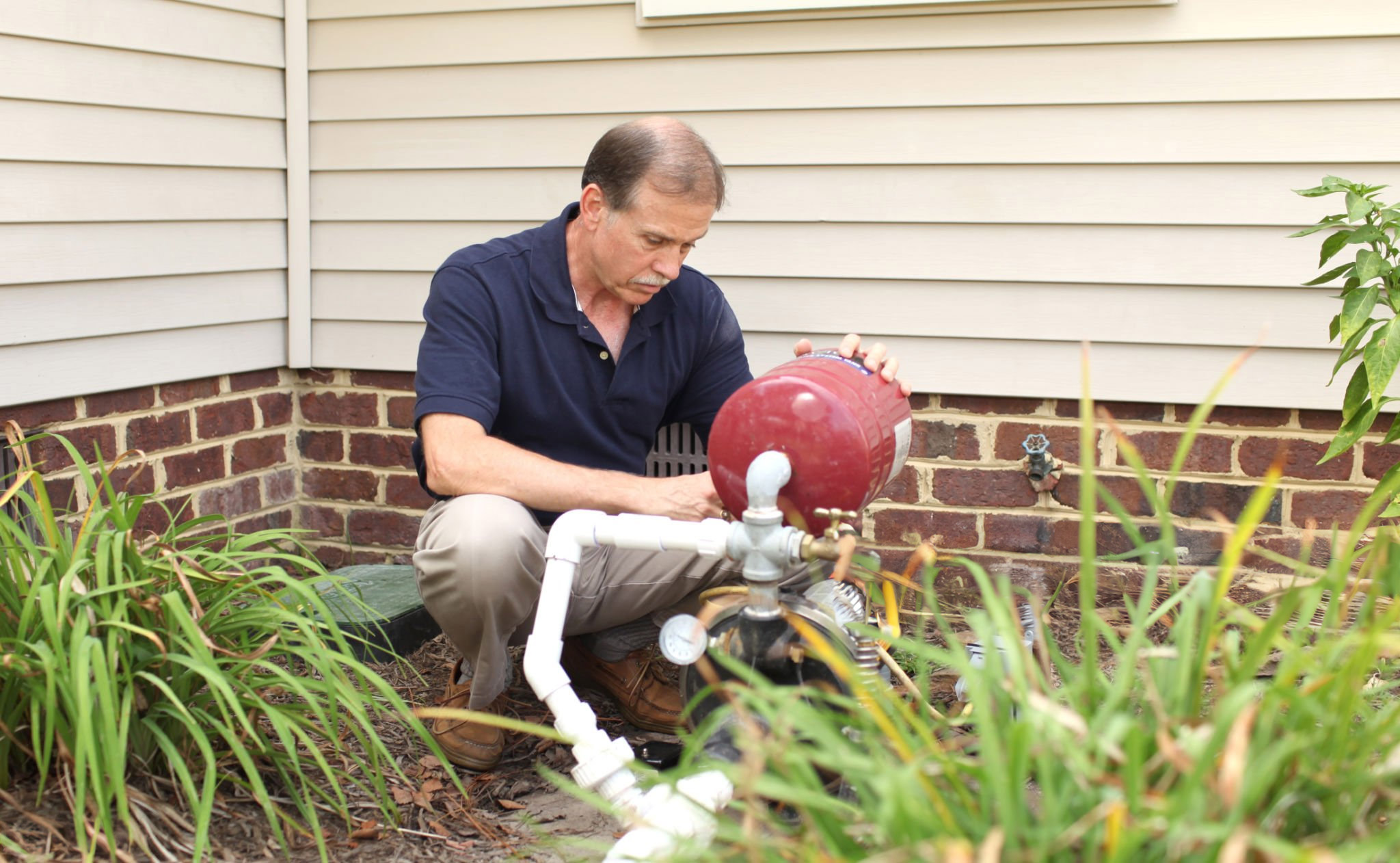
A well pump pressure tank is a crucial component in a well water system that helps regulate water pressure and store a reserve supply of water. It works alongside the well pump to ensure consistent water pressure throughout a home or property.

Benefits of a Well Pump Pressure Tank

  • Consistent Water Pressure
    • A pressure tank eliminates fluctuations in water pressure, making showering, dishwashing, and other tasks more pleasant and efficient. You may experience an inconsistent water flow without one.
  • Extended Pump Lifespan
    • A pressure tank will allow your pump to run less frequently, lessening the risk of premature pump failure.
  • Reduced Energy Consumption
    • Each pump cycle consumes electricity. When your pump runs less often due to a pressure tank, your energy bills will be lower.
  • Protection Against Water Hammer
    • Water hammer occurs when the flow of water stops suddenly, creating a shockwave in the pipes. A pressure tank absorbs this shock, preventing damage to plumbing fixtures.
  • Water Reserve
    • A pressure tank will provide a limited supply of water in the event of a power outage.

Choosing the Right Pressure Tank

  • Tank Size
    • The size of your tank should be based on the size of your home and the amount of water used.
  • Tank Materials
    • Steel tanks are more durable but may corrode, while fiberglass tanks resist corrosion.
  • Diaphragm
    • A tank with a high-quality diaphragm will have a longer lifespan.
  • Pressure Rating
    • Make sure the tank’s pressure rating matches the requirements of your well system.

TMS well pressure pumps

Signs of a Failing Pressure Tank

  • Your pump turning on and off frequently
  • Inconsistent water pressure
  • Air bubbles or sputtering from your faucets
  • Leaks or condensation around the tank
  • Increased energy bills
  • Your pump running constantly and not shutting off


Call a Professional for:

  • Tank Replacement
    • Specialized tools and knowledge are needed to correctly replace a pressure tank.
  • Pressure Switch Issues
    • Trust a professional to diagnose and repair pressure switch problems.
  • Major Leaks or Damage
    • Seek professional assistance immediately if you notice significant leaking or damage to the tank.
  • Persistent Problems
    • If you are having ongoing issues with your tank, a professional can diagnose and resolve the underlying cause.

A well pump pressure tank is vital for getting the most out of your home well water system! Contact TMS for more information, or if your existing tank is not working properly.

When to Get a Sump Pump

TMS explains how a sump pump can keep your basement from flooding

Does the thought of walking downstairs to see your basement flooded give you nightmares? Not only is it a pain to clean up, but it can also ruin belongings, create mold growth, and even affect the structural integrity of your home! Due to the severe damage a flooded basement can cause, it’s necessary to take precautions, such as getting a sump pump. But how do you know if one is necessary?

Understanding the Role of a Sump Pump

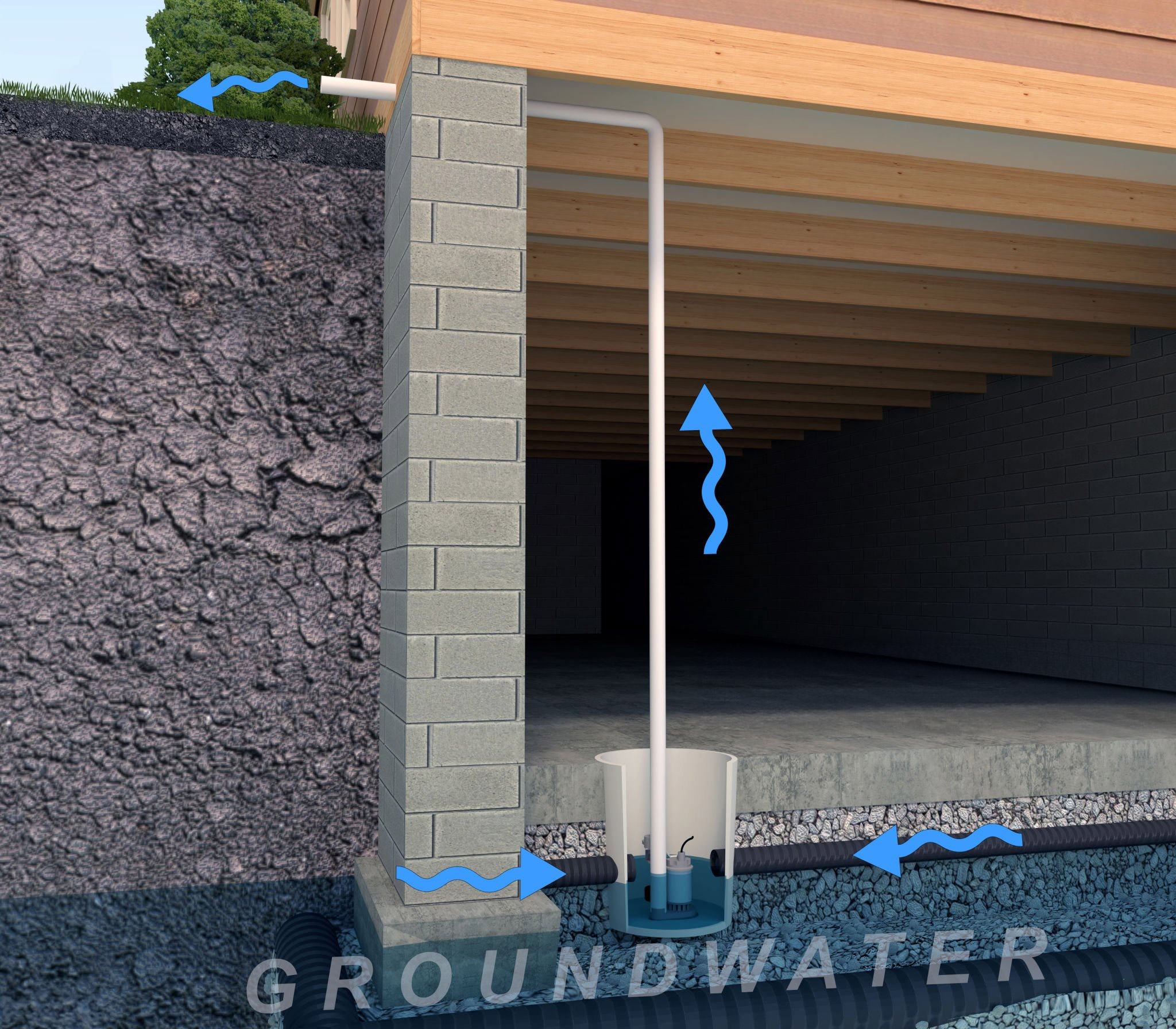
 A sump pump works to prevent basement flooding by pumping water away from your foundation. A sump pump sits in a small hole, called a sump pit, dug into the lowest part of your basement or crawl space. It activates as water accumulates in the pit. The water is pumped from the pit and away from your home before it can enter your basement.

TMS Explains how sump pumps work to keep your basement dry


Signs You Need a Sump Pump

  • Previous Basement Flooding
    • If you’ve experienced basement flooding in the past, even minor, a sump pump is a definite need. The chances of your basement flooding again are very high, and the situation could be even worse next time.
  • Moisture Problems
    • Damp walls, musty odors, and signs of mold or mildew are all signs that a sump pump would be useful. The sump pump can help manage your excess moisture before it becomes a larger problem in the future.
  • Cracks in Your Foundation
    • Water may seep into your basement through cracks in your foundation. A small amount of foundation cracking is considered normal, but if they expand or are accompanied by moisture problems, they need to be addressed. Cracking can be worsened by hydrostatic pressure, which a sump pump helps to lessen.
  • High Water Table
    • If the groundwater level around your house is close to the surface of the ground, called a high-water table, you are at a higher risk for basement flooding. If this is your case, it’s recommended you proactively get a sump pump.
  • Drainage Issues
    • If water tends to pool around your foundation after it has been raining, you are dealing with drainage issues. This water can eventually end up in your basement, and a sump pump will help to protect against this.
  • Construction in Progress
    • If you are building a home or renovating, it’s the perfect time to install a sump pump! It’ll be easier and cheaper to install at that time, rather than getting one later.
  • Living in an Area Prone to Flooding
    • A sump pump is essential if your home is in an area that is considered a flood zone.


Choosing the Right Sump Pump

Consult a specialist about which type of sump pump is right for you. The size of your basement, amount of rainfall in your area, and the depth of the water table are all factors that need to be taken into consideration when making this decision. Once you have your pump installed, schedule regular maintenance to ensure it will keep your basement dry for many years to come.


Don’t Wait for Disaster

 If you find your basement flooded one day, you’ll wish you saw the signs and took action! Installing a sump pump before disaster strikes can save you stress, as well as thousands of dollars in repairs. Give yourself peace of mind, whether it’s rain or shine! If you’re ready to take the steps to protect your basement, contact TMS today at (860)-314-1518, and we can help you get started!

Signs Your Water Heater Is Failing (And What to Do Next)

From a warm shower after coming in from the cold, to washing laundry and dishes, hot water is a luxury we often take for granted. Recognizing the signs of a failing hot water heater can prevent you from dealing with the stress of turning on your water to find it ice cold when you need it most!

Common signs a hot water heater may be on its last leg include:

    • No Hot Water (or Lukewarm Water)
      • An obvious sign is that your water is not heating up properly. This could be due to a faulty thermostat, a heating element malfunctioning in electric heaters, a pilot light issue in gas heaters, or a sign of more serious internal damage.
    • Water Heater Leaks
      • If you notice a leak, whether it’s from the tank itself, the connections, or the pressure release valve, make sure to act right away! Even small leaks can escalate into a flood, causing pricey damage to your home.
        TMS maintains your water heater to prevent leaks

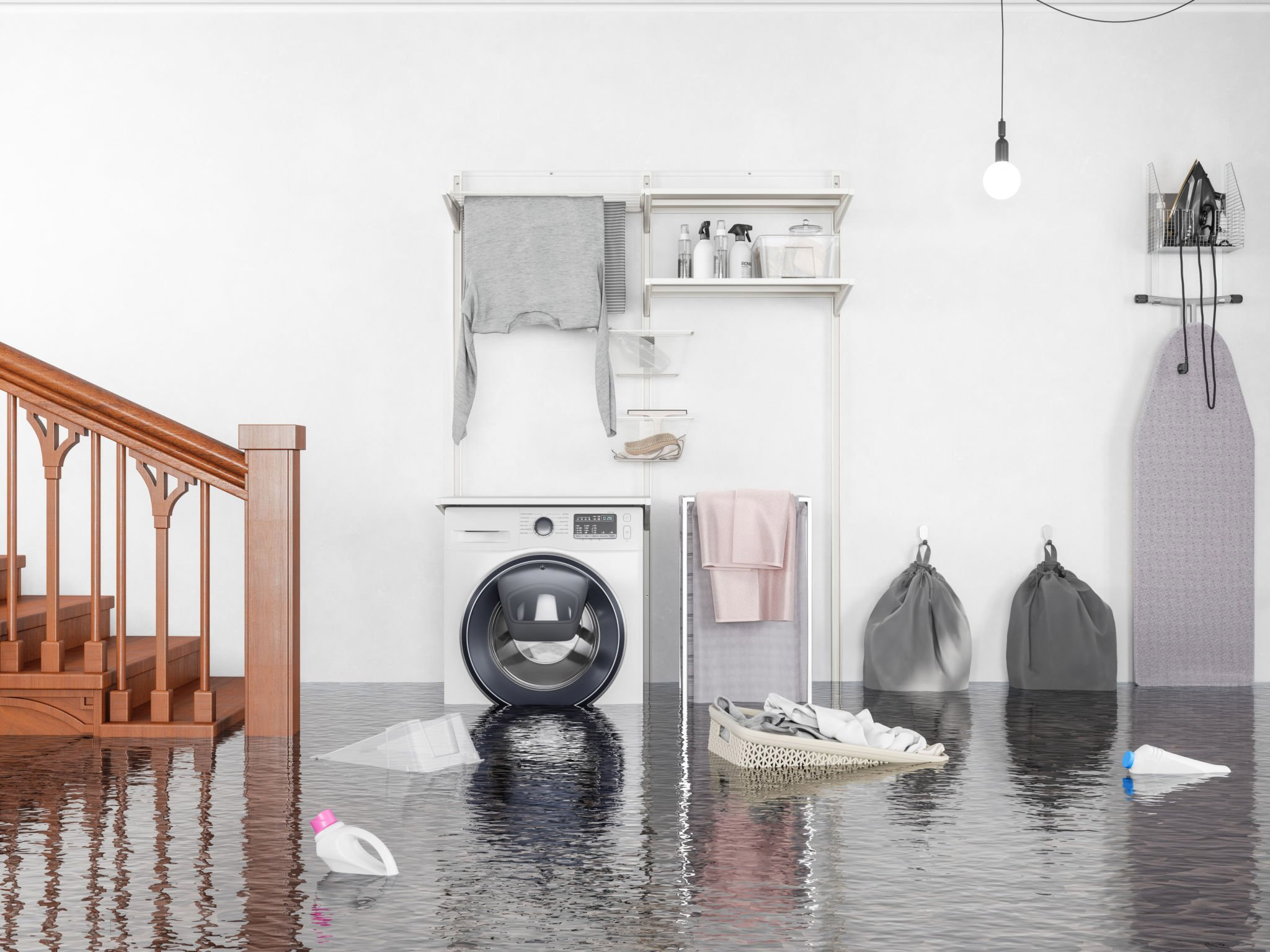
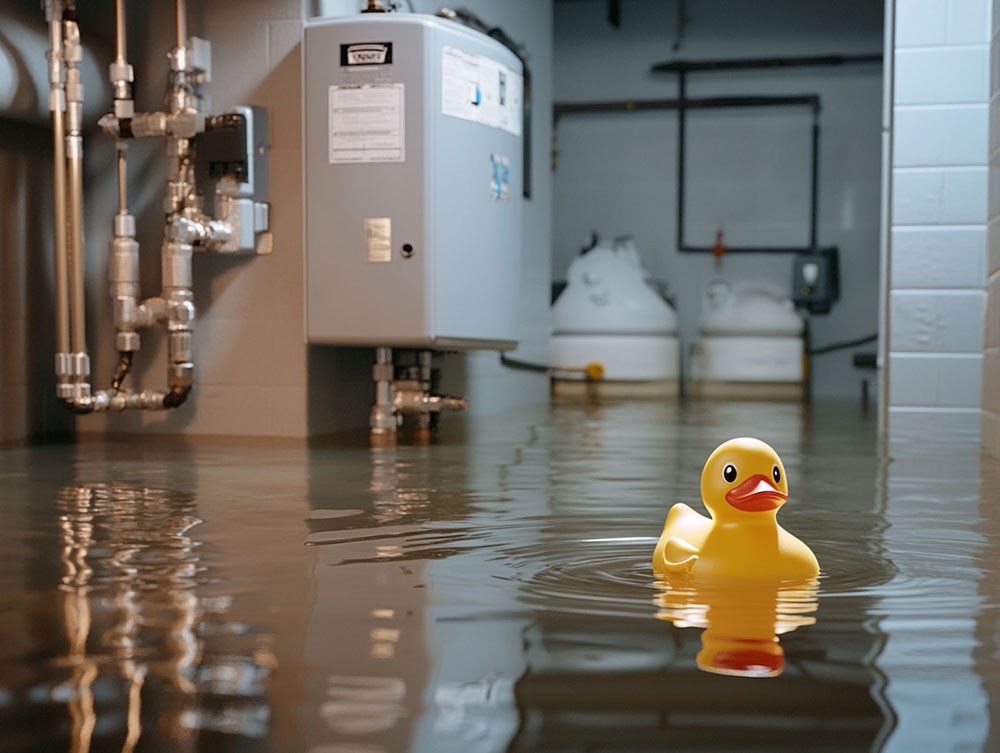
        If your basement looks more like an aquarium it’s time to call a professional.

    • Strange Noises
      • A water heater that is functioning properly will not make much noise. Banging, rumbling, or whistling noises can indicate the buildup of sediment in the tank, which can cause the eventual failure of the tank.
    • Rusty or Discolored Water
      • Changes in the color of your water could be due to corrosion inside the tank. If left, it will continue to deteriorate and may lead to a leak.
    • Unpleasant Odor
      • If you smell something resembling a rotten egg, this could indicate a very serious gas leak. Take immediate action by turning off the gas supply, contacting a professional, and evacuating the area until it is deemed safe. If the smell is metallic or musty, this could signify bacteria growth or other internal tank issues.
    • Decreased Water Pressure
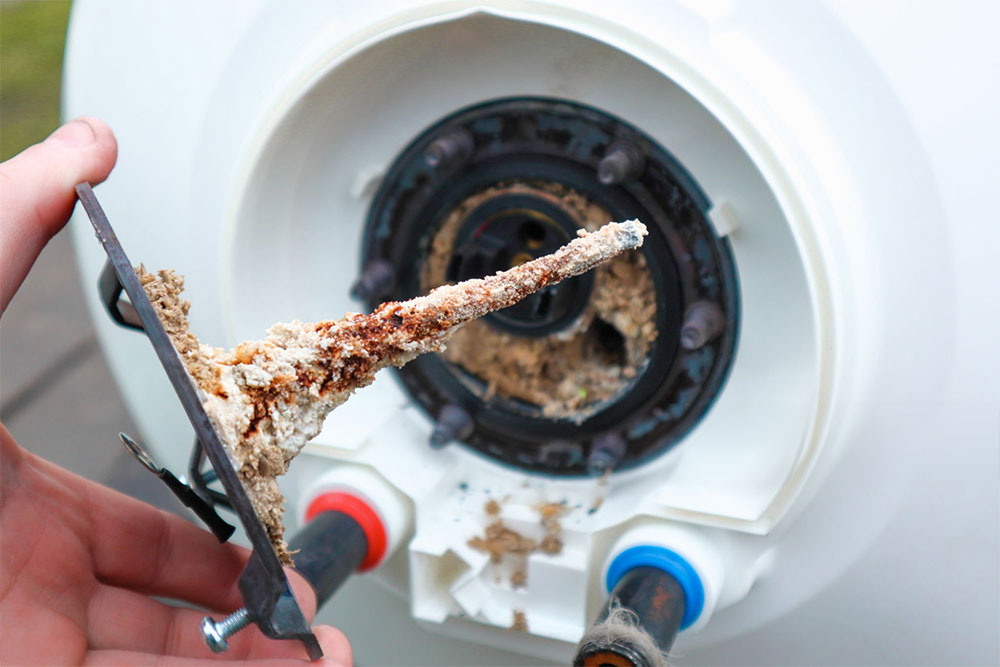
        • Sediment buildup in your water heater is a possible explanation for lessened water pressure.TMS helps prevent sediment buildup in your water heater
  • Age
    • The average lifespan of a water heater is around 8-12 years. If your unit is getting old, it’s a good idea to replace it before it fails altogether.

You’ve identified the signs, what now?

  • Safety First
    • If you suspect a gas leak, do not try to resolve the issue yourself. Turn off the gas supply to the water heater and contact your gas company or a qualified technician.
  • Assess the Situation
    • Gather more information on the problem, such as the extent of the leak or the approximate temperature of the water. This will help a professional in fixing the issue.
  • Call a Professional
    • It’s best to call a professional with expertise in repairing water heaters to address your problem. Taking matters into your own hands can be dangerous and may cause your warranty to be voided.
  • Consider a New Water Heater
    • If your water heater is old or the damage is too extensive, it may be best to get a new water heater. With a new model, you can rest easy knowing it will provide reliable hot water for years to come, as well as save money on your utility bills. Speak with a professional about the best options for you.
  • Maintenance is Key
  • Schedule regular maintenance on your water heater to make sure no problems take you by surprise!

By noticing the signs of water heater failure early and acting, you can be sure your hot water will always be there when you need it! If you’re looking for a  professional to assess your water heater, TMS is here to help! Whether it’s routine maintenance or getting your tank up and running again, you will be glad you contacted us (860-342-8867)!

Is There Hard Water in Your Home?

Have you ever heard of “hard water”? While this may seem like an oxymoron, it’s a common issue that may have infiltrated your home without you even realizing it! Hard water contains a high amount of minerals, which can be detrimental to your plumbing, appliances, and even your hygiene. Learning about hard water will allow you to identify if it’s the culprit for your problems, and how to take measures to correct it.

Signs of hard water include:

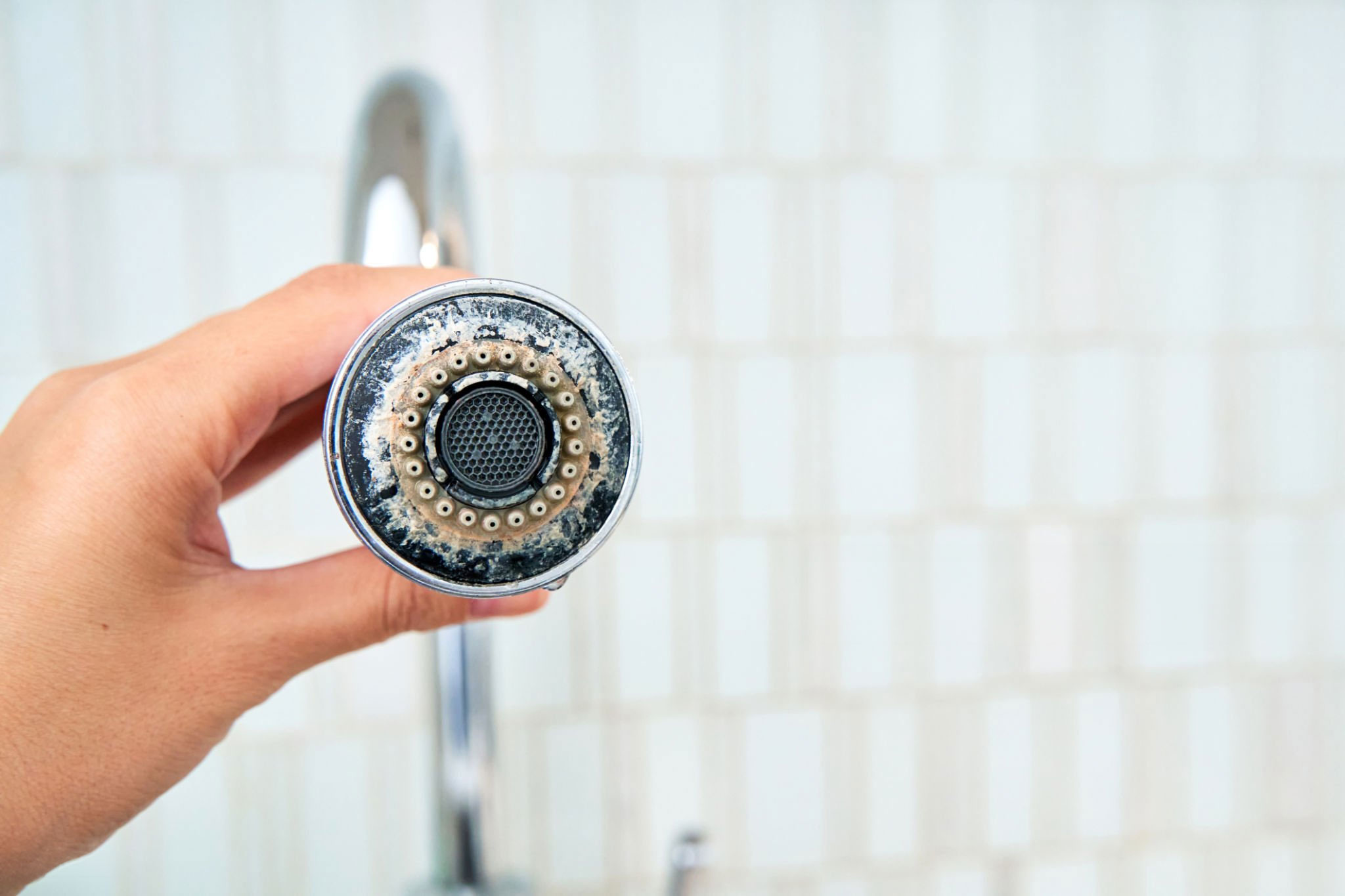
TMS shows you the signs of hard water

  • Tub and sink stains, which may present themselves as:
    • White or chalky residue, known as “limescale”
    • Rust-colored stains a result of iron deposits
    • Soap scum buildup on shower doors, bathtubs, etc
  • Plumbing problems, such as:
    • Clogged pipes due to buildup of limescale deposits
    • Reduced efficiency in dishwashers, water heaters, washing machines, and other appliances because of mineral buildup
  • Clothes and dishware not being cleaned appropriately
    • Clothes becoming faded or rough to the touch after being washed, due to hard water mitigating the effects of laundry detergent
    • Streaks or spots on dishware after a thorough cleaning, due to mineral deposits remaining on surfaces after water evaporates
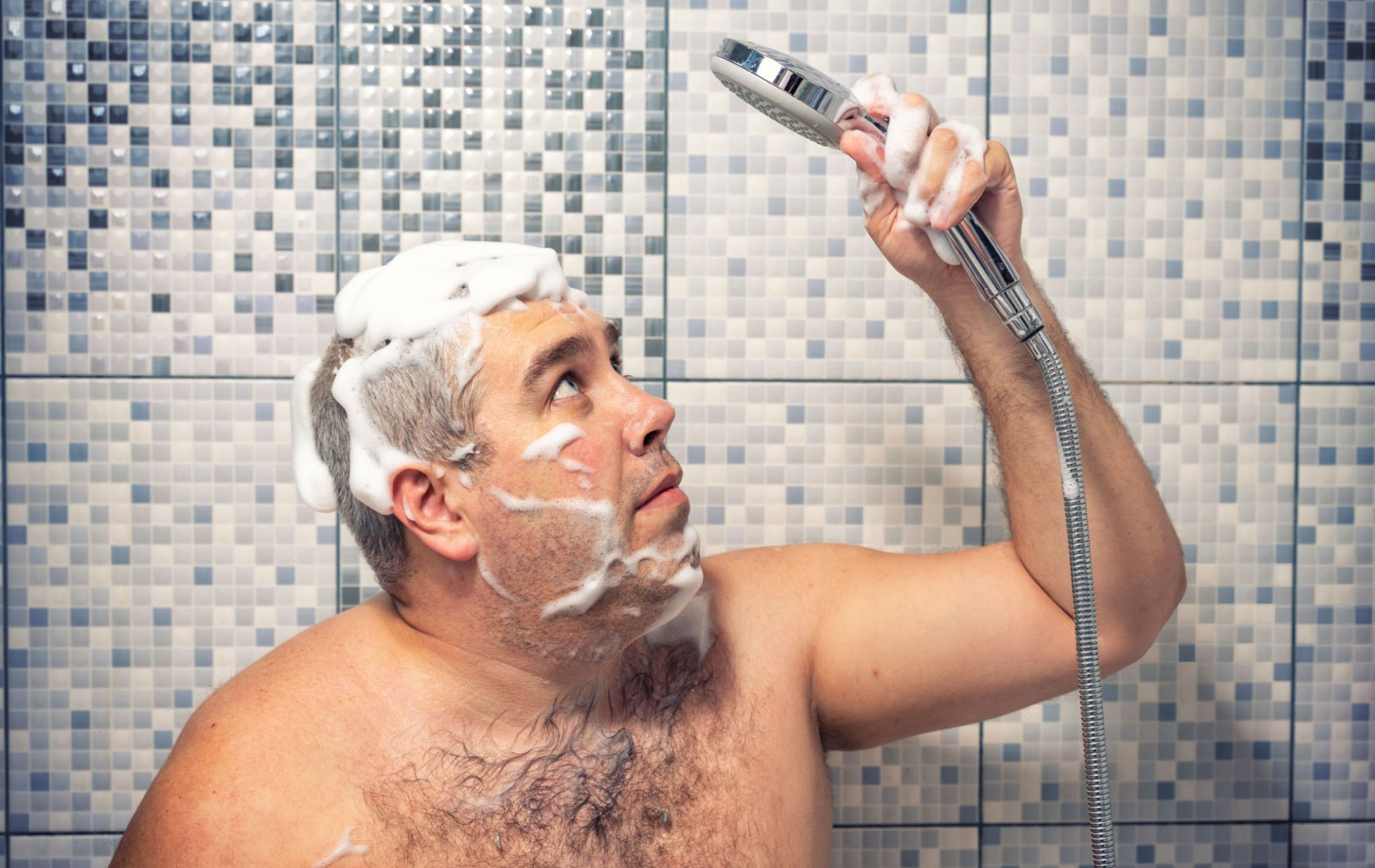
  • Dryness after a shower
    • Skin feeling suddenly dry or itchy after showering
    • Hair appearing dull and lifeless even when freshly washed

If any of these signs ring true for you, you should test for hard water in your home.

There are several easy methods for testing, such as:

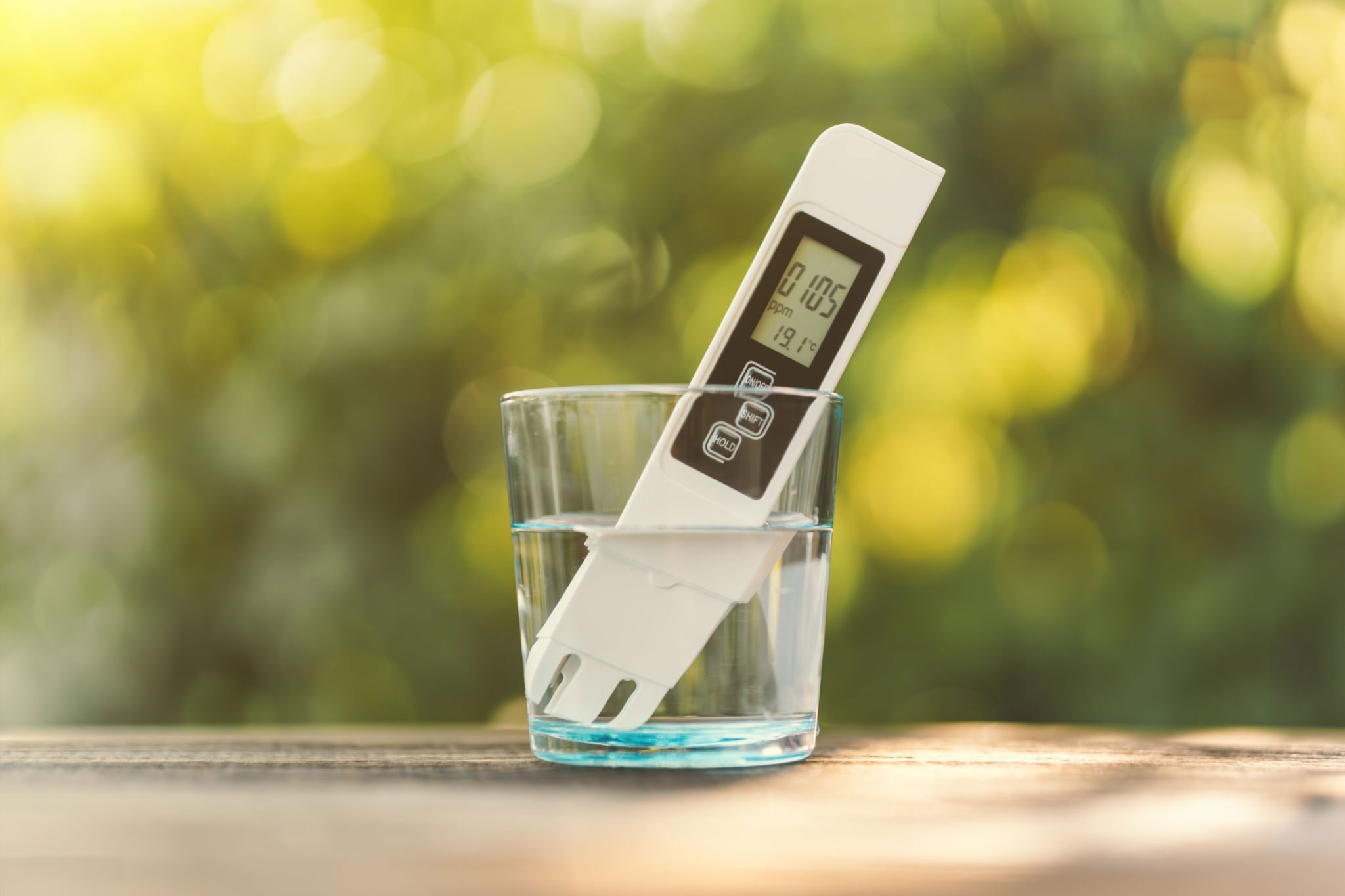
  • TMS tests for hard water and explains your options

    Testing with soap

    • Let water from your tap fill a container about halfway before adding a few drops of liquid soap. Shake the container and notice what happens to the water. Cloudy water with few suds indicates hard water, while clear, sudsy water is a good sign that your water is soft.
  • Utilizing test strips
    • Water hardness test strips can be purchased online or at a hardware store. All you have to do is dip the strip into tap water and analyze the provided chart to see the hardness of your water.
  • Professional water testing
    • It is a good idea to have your water assessed by professionals in order to get clear results and expert advice on a strategy moving forward.

So, you have hard water in your home. What now?

Once you determine that you are experiencing the effects of hard water, it is time to take action to reverse it. Water-softening can be achieved by:

  • Installing a water-softener
    • A water-softener works by removing the hard minerals such as calcium and magnesium from the water and replacing them with sodium or potassium ions.
  • Using water-softening additives
    • Utilizing water-softening additives in your laundry can help to combat the effects of hard water on your clothing.
  • Installing a whole-house filtration system
    • A whole-house filtration system can improve your overall water quality by reducing the amount of minerals in it.

If you take these actions to soften your water, you are sure to see improvements in cleaning, appliances, hair, and more! Need help identifying or combatting hard water? TMS has the expertise you need! Call us today at 860-314-1518, and you will have softer water in no time!

Top 5 Most Common Home Plumbing Issues

Everyone knows how frustrating it is to turn on your shower or faucet and find that there is an issue with your plumbing. Home plumbing issues are more common than you may think, and knowing how to prevent them can help you to avoid a potentially major headache in the future. Let’s take a look at the 5 most common problems to watch out for!

FMI gives you tips on how to stop constantly running toilets

Is your toilet running? Make sure you catch yours before your water bill catches you.

1. Running Toilet

Did you know that a running toilet can significantly increase your water bill? A running toilet is often due to faulty parts or issues with the float mechanism. Prevent this by regularly inspecting toilet parts, and by using toilet bowl cleaners without chemicals. Once again, it is important to address the issue as soon as possible to avoid a more substantial problem down the road.

2. Clogged Drains

Taking a shower that starts to feel more like a bath? Slow drainage of water is a sign that your drain is clogged. Other signs to look out for include a gurgling sound or strange smell coming from the pipes. Clogged drains happen when a blockage is created by the accumulation of everyday debris such as hair, soap, grease, or food. This can be prevented by utilizing drain covers, not pouring grease or oil down the drain, and using non-corrosive solutions to clean your drains. These simple actions can go a long way towards avoiding a clogged pipe.

3. Leaky Faucet

A leaky faucet is not only annoying but can waste hundreds of gallons of water a year! A leaky faucet is often a sign that a part is worn-out and in need of replacement, such as a washer, O-ring, or valve seat. In order to make these parts last longer, be sure to not over-tighten your faucets, and inspect them regularly to determine if replacements are needed. If you do see your faucet leak, be sure to address it right away before it drives up your water bill!

TMS shows you how to identify the cause of low water pressure

4. Low Water Pressure

No one wants to deal with low water pressure! Taking preventative measures, such as installing a water softener to reduce mineral buildup and cleaning faucet aerators and showerheads regularly, can ensure that all your taps and showers maintain a strong flow of water. It is also a good idea to get a gauge to monitor your water pressure, in order to know right away when there is a problem.

5. No Hot Water

Not having hot water is the number one indicator you might have a major plumbing problem! Several water heater issues may be to blame, including a faulty thermostat, a broken heating element, or sediment buildup in the tank. To prevent such buildup, flush your water heater annually. Other measures to take include insulating your water heater to boost efficiency and scheduling regular maintenance checks to catch problems early.

Have a home plumbing issue? Count on us!

Whether the problem you are facing is on this list or not, TMS can help! Our plumbers will have your water running smoothly again in no time. Just give us a call at 860-342-8867!

Shivering Through Winter? Common Home Heating Problems

When heating systems start malfunctioning on freezing cold Connecticut days, it can feel like the end of the world! By educating yourself on common home heating problems, you can be ready for anything this winter!

TMS explores common home heating issues

Furnace Not Blowing Warm Air

If your heat is on but your house is still cold, your furnace may not be emitting warm air. There are several possible reasons for this issue.

  1. Check clogged air filters: Filters build up dirt and dust overtime, making it difficult for your furnace to work efficiently if not cleaned and replaced regularly.
  2. Problem with the thermostat: Check that your thermostat settings are correct. If your thermostat doesn’t kick on the furnace when the temperature drops it could be a wiring issue.
  3. Check your pilot light and ignition: If the pilot light is not on or the ignition system is not responding properly, your furnace will not be able to heat the air in your house as it should. Most furnaces have a method to relight your pilot light if it is out.

Cold Spots in House

Are you overheating in one room of your home but shivering in another? Cold spots are a sign something’s preventing the even heating of your home.

  1. Obstructions in front of vents: Make sure vents are always clear. This is a simple but necessary step to help ensure your home is heating evenly this winter.
  2. Duct issues: Your HVAC ducts may be poorly insulated, obstructed or have a hole. Have a professional check your ducts’ insulation and integrity.
  3. Plan ahead: Maintenance of your HVAC each year prior to winter will allow for any problems to be dealt with before you’re waiting in the cold for service.

Heating System Failure

A failure with your heating system is often due to electrical issues or overheating. If a fuse is blown or a circuit breaker is tripped, the furnace may be unable to power up normally. In the case of overheating, it may even shut down automatically to regulate itself. These issues become more common in older heating systems, and the system may need to be replaced altogether if problems persist. When it comes to heating system problems, trust the professionals! At TMS, we install and service all brands of furnaces.

TMS explores how to keep your house warm this winter

This may be a sign that your house is a little too cold.

House is Cold Despite Heater Working

You checked your vents, your furnace is blowing warm air, everything seems to be in order, so why is your house still cold?

  1. Make sure your thermostat is turned up enough: If it is set too low, the house will not be able to reach a comfortable temperature.
  2. It could be due to poor insulation: If you have drafty windows/doors or poor attic insulation, the warm air will escape, leaving it cold inside no matter how long the heat has been blasting.
  3. Is your furnace an adequate size for your space: Consult a professional about calculating whether or not the heating system has the right power and output for your home needs.

Preventing Future Problems

At Total Mechanical Systems, we don’t want you to worry about staying warm this winter. Trust us with your regular maintenance to ensure your heating system will be ready to do its job throughout Connecticut’s coldest months. Not only that, but you will also see a decrease in energy bills due to a more efficient system!

If something does go awry suddenly, we won’t leave you out in the cold! TMS offers prompt service and will have your home heated again in no time. Give TMS a call at (860) 314-1518.

TMS logo

Why Professional Help Matters for Connecticut Winters

DIY fixes can only go so far. Working with an experienced HVAC company ensures your system is running at peak efficiency.

  • Expertise Tailored to Connecticut Homes
    Our team understands the specific challenges of heating homes in the Northeast, from cold snaps to heavy snow.
  • Access to the Latest Technology
    We stay up-to-date on the best HVAC solutions to help you save money while staying warm.
  • Emergency Services
    Connecticut winters can be unpredictable. We offer 24/7 emergency repair services to keep your home comfortable.

How to Save on Heating Costs in Winter: Expert Tips from TMS

TMS Winter Home Heating TipsWe all know Connecticut winters can be harsh, with plummeting temperatures and heavy snowfall. But staying warm doesn’t mean you have to pay sky-high energy bills.
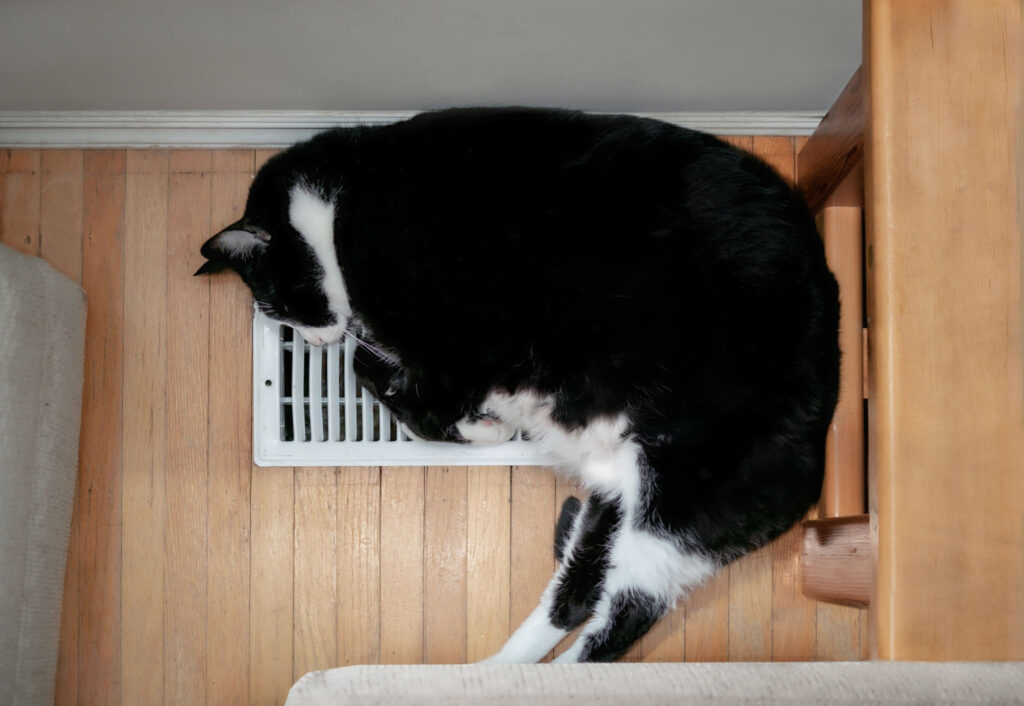
At TMS we understand how important it is to balance comfort and affordability. In this guide, we’ll explore practical, expert-backed tips to help you save on heating costs this winter while keeping your home cozy.

The Connecticut Winter Heating Challenge

Winters in Connecticut are no joke. From Nor’easters to sub-zero temperatures, the demands on your heating system can strain both its efficiency and your wallet. Homeowners often find themselves facing the question: How can I save on heating costs without compromising comfort?

The good news is that there are plenty of strategies to reduce heating expenses without sacrificing warmth. We’ll guide you through energy-efficient solutions, small lifestyle adjustments, and HVAC upgrades to help you keep your home cozy at a fraction of the cost.

Why Saving on Heating Costs Matters in Connecticut

Connecticut experiences some of the highest energy costs in the country. Pair that with a cold winter, and you could easily find your heating bills taking up a significant portion of your budget. Beyond financial concerns, energy-efficient heating also helps reduce your carbon footprint.

Optimize Your HVAC System for Maximum Efficiency

Your heating system is the backbone of your home’s comfort during winter. Ensuring it’s running efficiently can lead to significant cost savings.

  • Schedule an HVAC Tune-Up
    Routine maintenance ensures your furnace or heat pump operates efficiently. A tune-up can identify and resolve minor issues before they become expensive repairs.
  • Replace Your Air Filters
    Dirty filters restrict airflow, forcing your system to work harder. Replacing filters every 2-6 months ensures optimal performance and energy savings.
  • Seal Leaky Ductwork
    Leaks in your ductwork can result in up to 30% energy loss. Hire a professional to seal leaks and ensure your heated air reaches every corner of your home.
  • Upgrade to a Smart Thermostat
    Smart thermostats allow you to program heating schedules and adjust temperatures remotely, helping you avoid heating an empty house unnecessarily.
  • Invest in Energy-Efficient Equipment
    If your system is more than 10-15 years old, it might be time to upgrade to a high-efficiency furnace or heat pump. Look for ENERGY STAR-rated equipment for the best savings.
TMS tips- make sure your heating vents are clear of obstructions

TMS reminds you to make sure heating vents are clear of obstructions.

Insulate Your Home for Better Heat Retention

Proper insulation is one of the most effective ways to keep your home warm and reduce heating costs.

  • Seal Gaps and Cracks
    Check for drafts around windows, doors, and other openings. Use caulk, weatherstripping, or foam sealant to block cold air from entering.
  • Add or Upgrade Insulation
    Ensure your attic, walls, and basement are properly insulated. Consider upgrading to spray foam insulation for superior heat retention.
  • Install Storm Windows
    Double-pane or storm windows help prevent heat loss. If new windows aren’t in your budget, use plastic window insulation kits as a temporary solution.

Make the Most of Natural Heat Sources

Even during cold Connecticut winters, you can harness natural heat sources to reduce your heating needs.

  • Let the Sunlight In
    Open south-facing curtains during the day to let sunlight naturally heat your home. Close them at night to retain the warmth.
  • Use Heavy Curtains or Thermal Drapes
    These can act as an extra layer of insulation, keeping heat in and cold air out.

Adopt Energy-Saving Habits

Sometimes, small changes in your daily routine can make a big difference in your energy bills.

  • Lower the Thermostat When You’re Away
    Turning your thermostat down by just 5-7° F for eight hours a day can save up to 10% on heating costs.
  • Wear Layers Indoors
    Instead of cranking up the heat, bundle up with sweaters, socks, and blankets.
  • Close Off Unused Rooms
    If there are rooms you don’t use often, close their vents and doors to focus heat where it’s needed.

Regular Maintenance Is Key to Long-Term Savings

Keeping your HVAC system in top shape isn’t just a winter task—it’s a year-round commitment.

  • Schedule Annual Maintenance
    At least once a year, have a professional inspect your system to ensure it’s ready for winter.
  • Monitor Energy Bills
    Keep an eye on your monthly bills. Sudden spikes may indicate an issue with your heating system.
  • Test Carbon Monoxide Detectors
    If you use a gas furnace, a carbon monoxide leak can be dangerous. Check your detectors regularly to ensure they’re functioning properly.

TMS logo

Why Professional Help Matters for Connecticut Winters

DIY fixes can only go so far. Working with an experienced HVAC company ensures your system is running at peak efficiency.

  • Expertise Tailored to Connecticut Homes
    Our team understands the specific challenges of heating homes in the Northeast, from cold snaps to heavy snow.
  • Access to the Latest Technology
    We stay up-to-date on the best HVAC solutions to help you save money while staying warm.
  • Emergency Services
    Connecticut winters can be unpredictable. We offer 24/7 emergency repair services to keep your home comfortable.

Conclusion: Stay Warm, Save Big

Connecticut winters may be unforgiving, but your heating bills don’t have to be. By optimizing your HVAC system, improving home insulation, and adopting energy-efficient habits, you can save on heating costs without sacrificing comfort.

As your trusted HVAC partner, TMS is here to help you every step of the way. Whether you need a tune-up, a new system, or expert advice, our team is dedicated to keeping your home warm and your energy bills low. Call TMS today at 860-342-8867

Go to Top