A dead outlet, a light that flickers for no clear reason, or a switch that stopped working isn’t usually a full emergency, but it’s not something to ignore either. TMS provides electrical repair as part of our full electrical services throughout Connecticut, diagnosing the actual cause of the problem rather than just replacing the part in front of us.
Common Electrical Repairs We Handle
Electrical repair covers the everyday issues that come up in nearly every home over time. Outlets stop working when internal connections loosen or wear out, sometimes from years of plugging and unplugging heavier appliances. Switches fail for similar reasons, and a switch that feels loose or requires extra pressure to work is usually close to failing completely. Light fixtures develop wiring issues at the connection point, not just bulb problems, which is why a fixture that won’t turn on even with a new bulb usually needs an electrician rather than another trip to the hardware store. Ceiling fans that wobble, hum, or stop responding to their switch often have a wiring issue at the fan’s junction box rather than a problem with the fan itself. We also repair doorbells, GFCI outlets that won’t reset, and the smaller electrical fixtures throughout a home that tend to get overlooked until they stop working entirely.
When to Schedule an Electrical Repair
Not every electrical issue calls for a same-day emergency dispatch, but the following situations are worth scheduling a repair for before they get worse. Watch for:
- An outlet that’s stopped working, even if other outlets on the same wall still function
- Lights that flicker consistently, especially when other appliances turn on
- A switch that requires extra pressure or feels loose when operated
- A ceiling fan that hums, wobbles, or doesn’t respond correctly to its switch
- A GFCI outlet that won’t reset even after being tripped and reset once
- A light fixture that won’t turn on despite a confirmed working bulb
Repair or Emergency? Knowing the Difference
It’s worth understanding the difference between a repair and an emergency, since it affects both how fast we respond and what the visit involves. Electrical repair addresses issues that are inconvenient or a minor inefficiency but don’t pose an immediate safety risk, a dead outlet, a flickering light, a fan that’s stopped working correctly. These get scheduled during normal appointment availability. Electrical emergencies involve an active hazard: a burning smell, visible sparking, smoke, or a complete loss of power with no clear cause. Those get an immediate, same-day response through our dedicated emergency line. If you’re not sure which situation you’re in, call us and we’ll help you figure out how urgent your specific issue actually is.
How We Diagnose and Repair
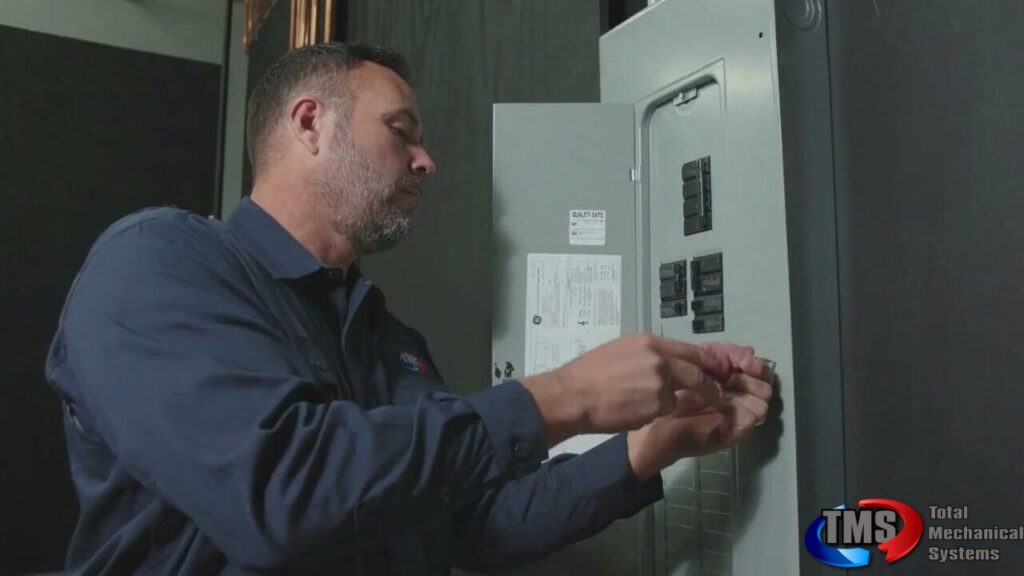
Diagnosis typically starts at the panel, confirming the affected circuit’s breaker hasn’t tripped and checking for any signs of heat or damage at the connection itself. From there, we test the circuit at each outlet or fixture along its path using a multimeter to identify exactly where voltage drops off or a connection has failed, rather than guessing based on which outlet happens to be closest to where the problem was first noticed. This matters because electrical problems don’t always show up at their actual source. A loose connection in a junction box behind a wall can cause an outlet two rooms away to flicker or fail intermittently, and tracing that path correctly the first time avoids a repeat visit for a symptom that looked like a different problem.
Every repair visit starts with diagnosis, not assumption. A dead outlet might be the outlet itself, but it could also be a tripped breaker, a loose connection further back in the circuit, or a problem at another outlet on the same circuit that’s affecting the one you’re noticing. Our technicians trace the actual source of the issue before recommending a fix, which sometimes means the repair is smaller than expected, and sometimes means it uncovers something more significant that’s worth addressing at the same time. You’ll get a clear explanation of what we found and an upfront price before any repair work begins, and most electrical repairs are completed in a single visit.